

Best Earrings for Sensitive Ears
The best earrings for sensitive ears are made of medical-grade (ASTM F-136) titanium, the implant-grade standard: nickel-free and lightweight, with no brass or other base metal hiding under a thin plated layer. Pair the right metal with a flat back and a post that fits, and many people with sensitive ears find they can wear earrings all day again.
This guide covers why earrings irritate, which metals to choose and avoid, what to look for in studs, hoops, and cartilage earrings, and how to find earrings you can sleep in. Every piece in our titanium jewelry collection is made with sensitive ears in mind.
Earrings for Sensitive Ears at a Glance
- BEST METAL: Medical-grade (ASTM F-136) titanium. Nickel-free and lightweight.
- AVOID: Plated, gold-filled, and vermeil jewelry, and "surgical steel" with no grade listed.
- WEIGHT: The lighter the better. Titanium weighs less than half as much as sterling silver.
- BACKING: A flat back instead of a butterfly back.
- FIT: A post gauge and length that match your piercing.
- FOR SLEEPING: Low-profile flat back studs and small huggies.
- IF IT STILL HURTS: See a doctor or other healthcare professional.

Why Do Earrings Irritate Sensitive Ears?
If your ears itch, burn, or get red and sore after a few hours in earrings, the earrings are often the problem, not your ears. The most common culprits:
- Nickel. A nickel allergy is one of the most common causes of skin reactions to jewelry, and nickel turns up in a lot of inexpensive metals.
- Plating that wears through. Gold-plated and vermeil earrings have a thin top layer over a different base metal. Once it wears, your skin is touching whatever is underneath.
- Butterfly backs. They press into the back of your ear, trap buildup, and pinch when you lie down.
- The wrong size. A post that's too thick or too short puts constant pressure on the piercing.
- Weight. Heavy earrings pull on your lobes all day and can stretch a piercing over time.
When It's Not the Earrings
If a piercing stays red, swollen, or painful, has discharge, or you notice a firm bump that keeps growing, see a doctor or other healthcare professional rather than trying another pair of earrings. If you have a known metal allergy, a dermatologist can patch test you to confirm what you react to.
What Makes Earrings Hypoallergenic?
"Hypoallergenic" isn't a regulated term, so the word on its own doesn't tell you much. What matters is the metal itself, and what sits underneath any finish.
Titanium is the first choice for sensitive ears. Medical-grade (ASTM F-136) titanium is the alloy used in surgical implants. It's nickel-free, very light, and doesn't tarnish.
Solid 14k or 18k gold can also work if it's nickel-free and solid, not plated or filled. White gold sometimes contains nickel, so check before you buy.
Be careful with:
- "Surgical steel" with no grade listed. Most steel used in jewelry contains some nickel.
- Sterling silver, which is alloyed with copper and can tarnish against skin. Some sensitive ears react to it.
- Plated, gold-filled, and vermeil jewelry, for the reason above.
Our gold tones come from a titanium nitride (PVD) finish and our silver tones from a platinum (PVD) finish. Both are thin coatings bonded to medical-grade titanium, rather than gold plating over a base metal like brass, so the metal underneath is titanium too. Our titanium jewelry care guide covers how to keep the finish looking new.

Lightweight Earrings That Are Easier on Your Lobes
Weight is the part of comfort people forget. Heavy earrings pull on your lobes all day, and over time they can stretch a piercing and leave it sore.
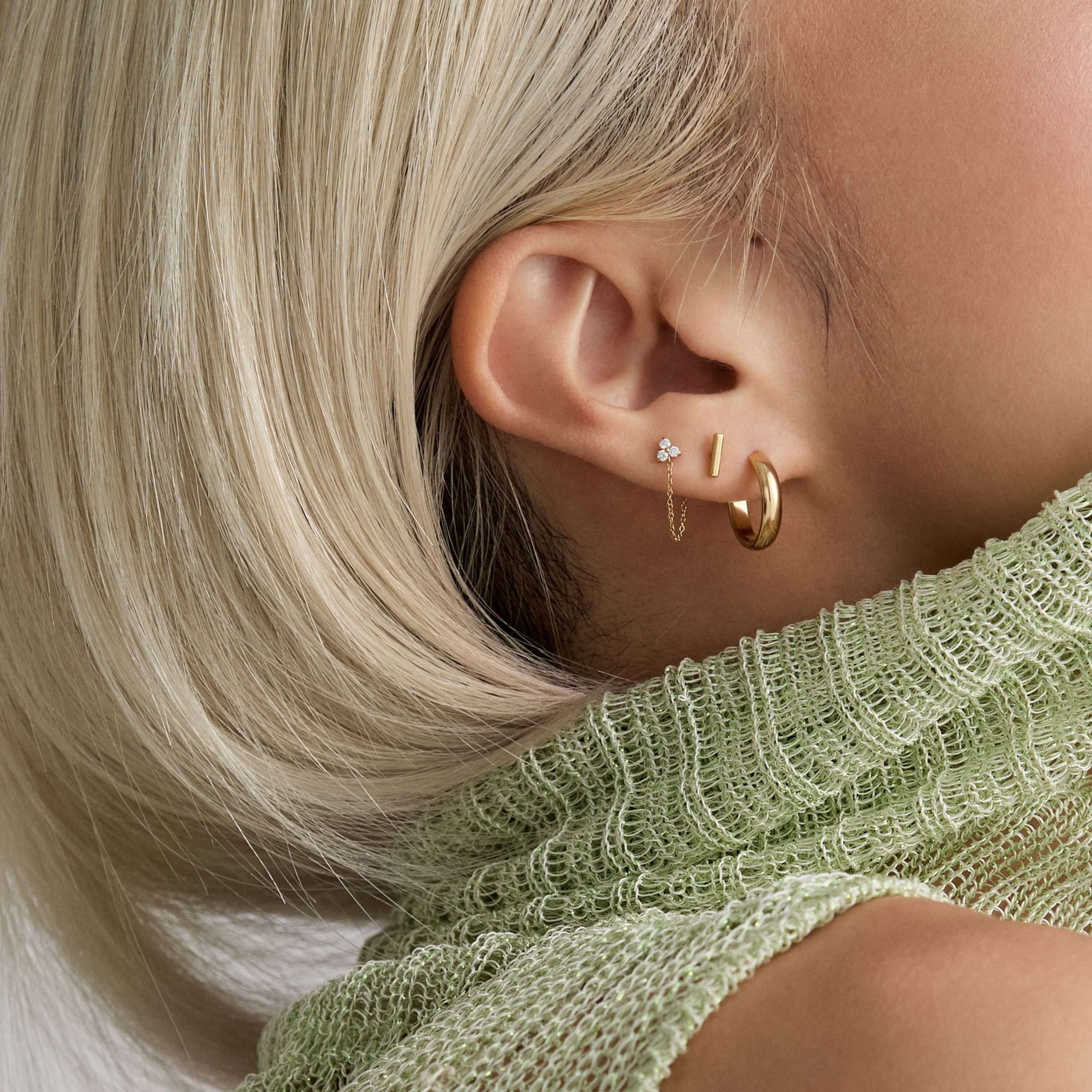
Titanium is light. It weighs less than half as much as sterling silver and about a third as much as 14k gold, so the same hoop sits lighter in your ear. Our 1-inch Classic Hoops weigh 1.8 grams for the pair, and our Classic Huggie Hoops weigh 0.4 grams. Even a sculptural statement hoop like our Every Body Hoops comes in under 5 grams an earring.
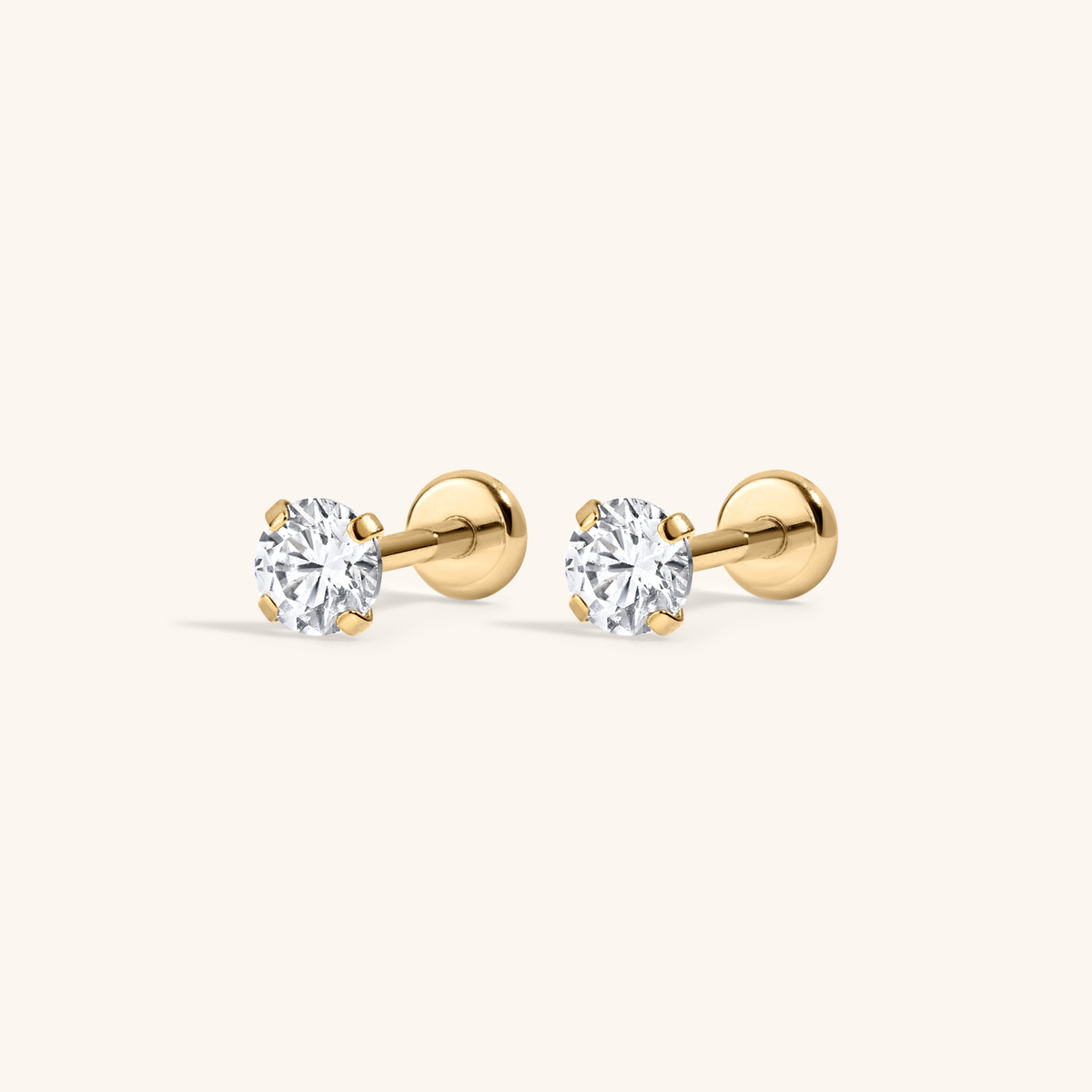
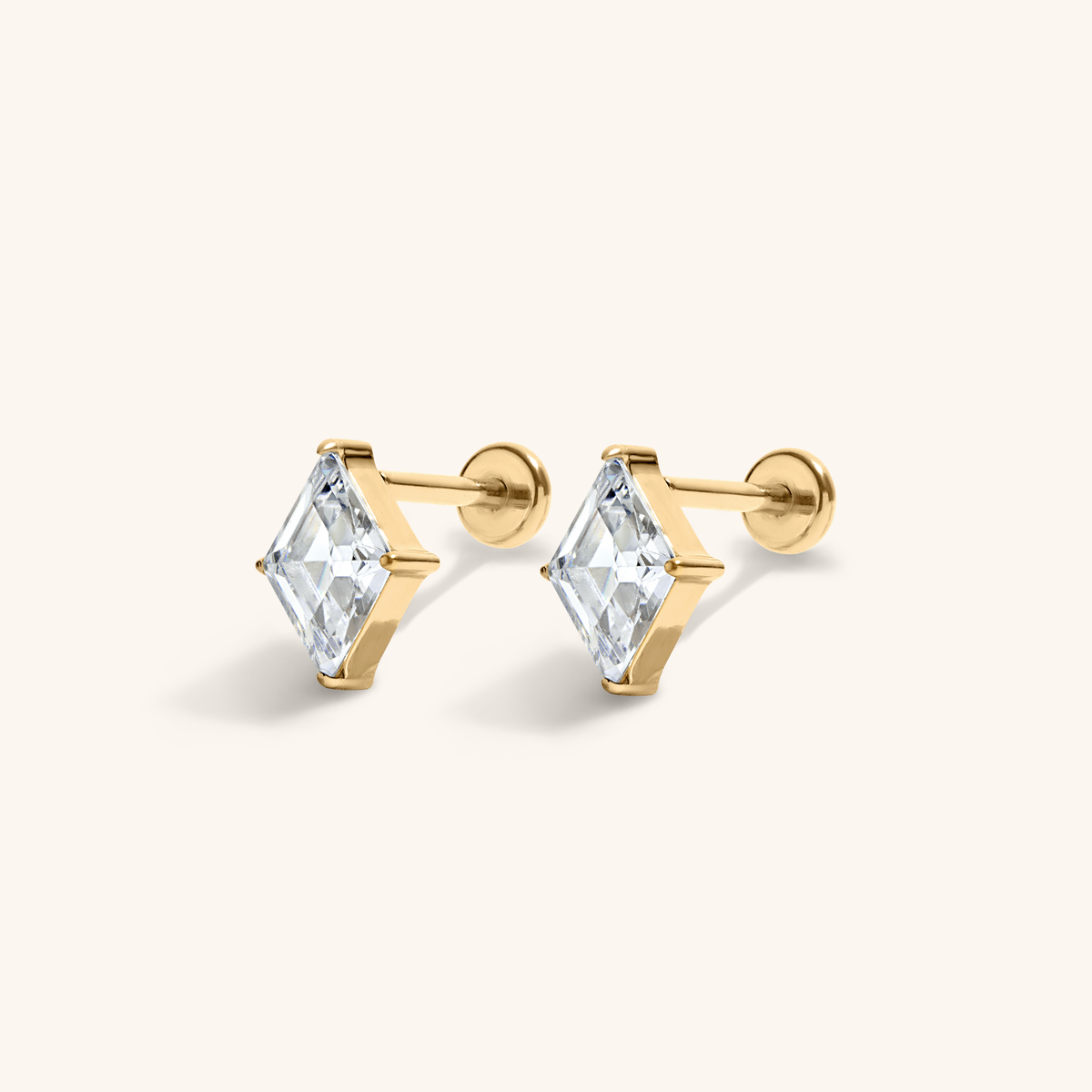
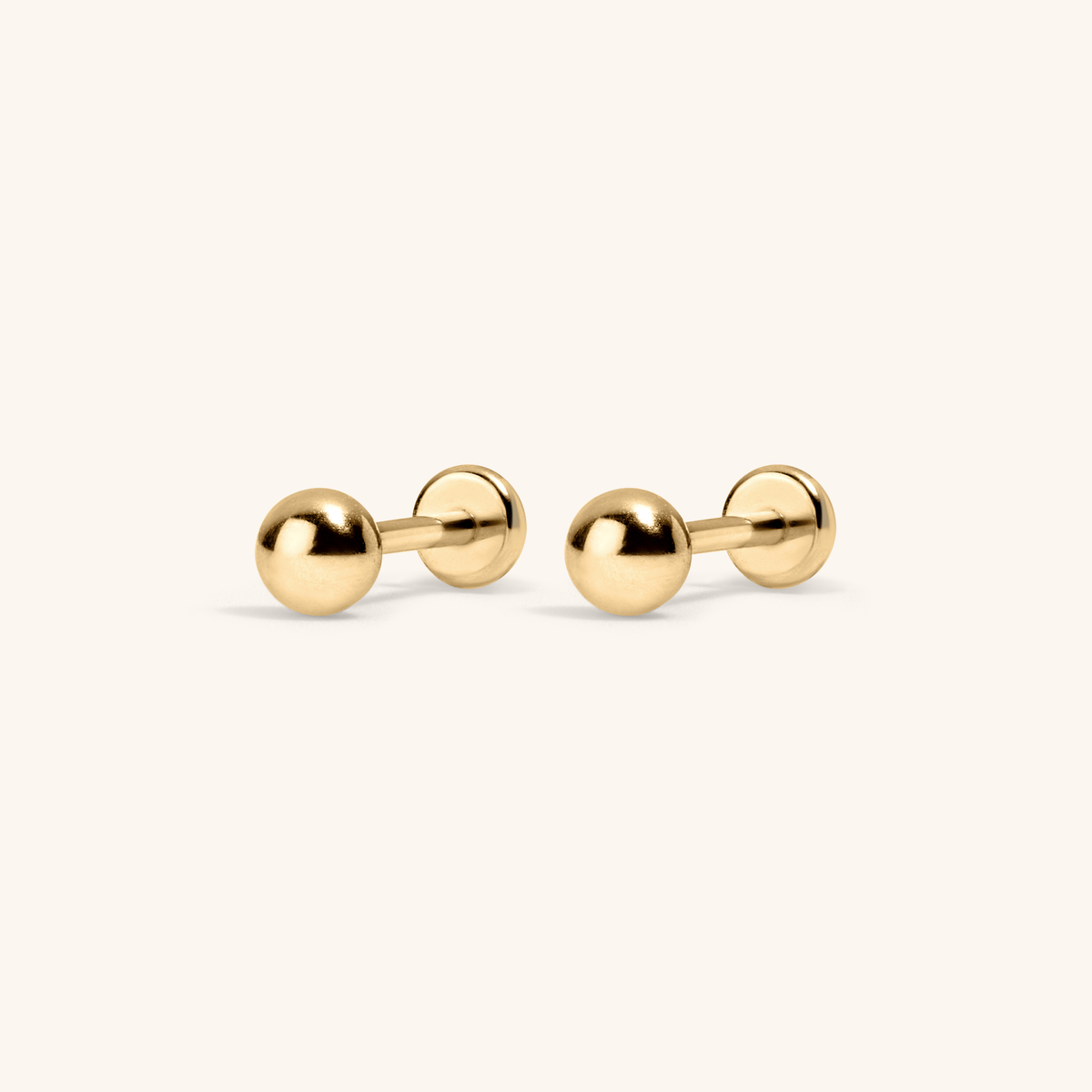
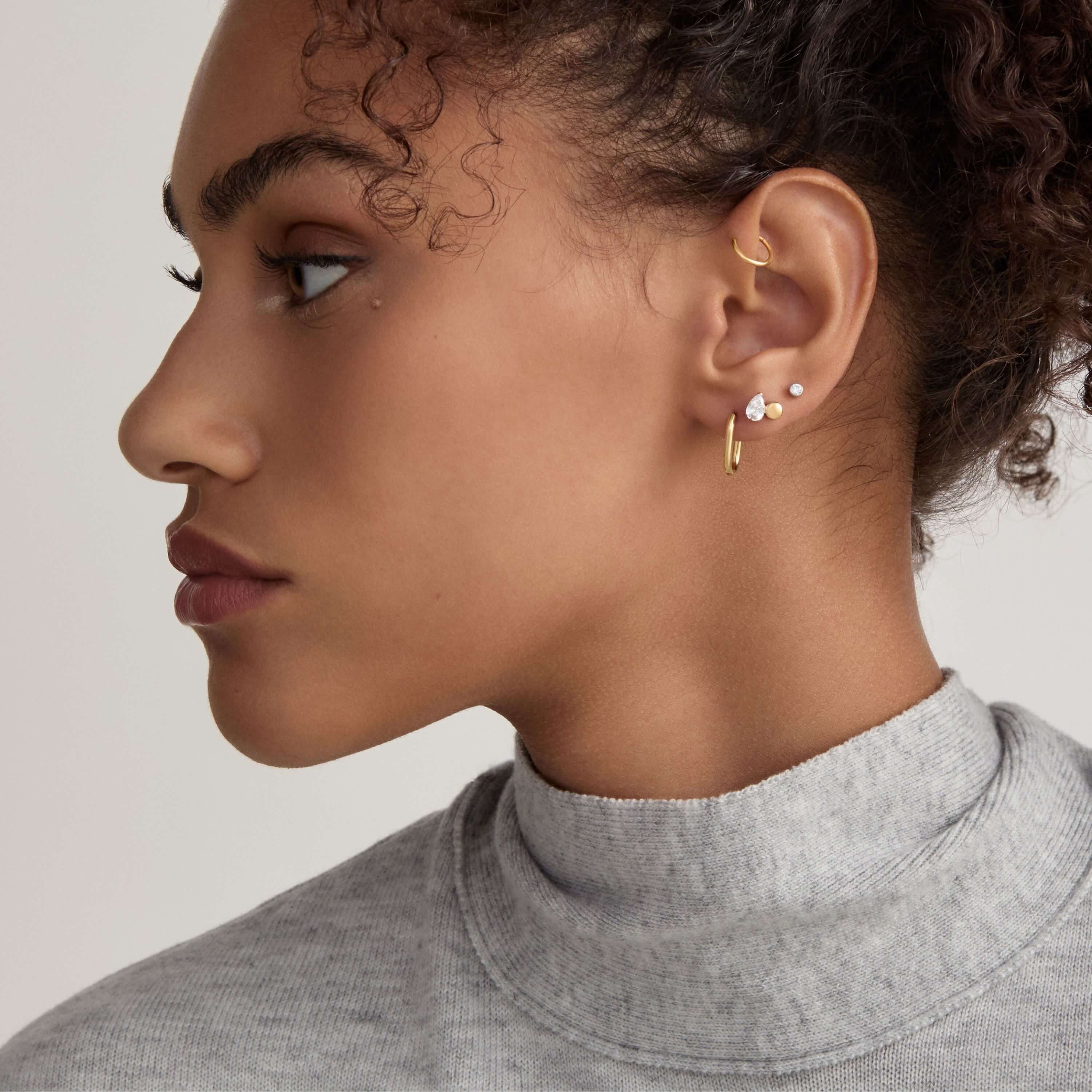
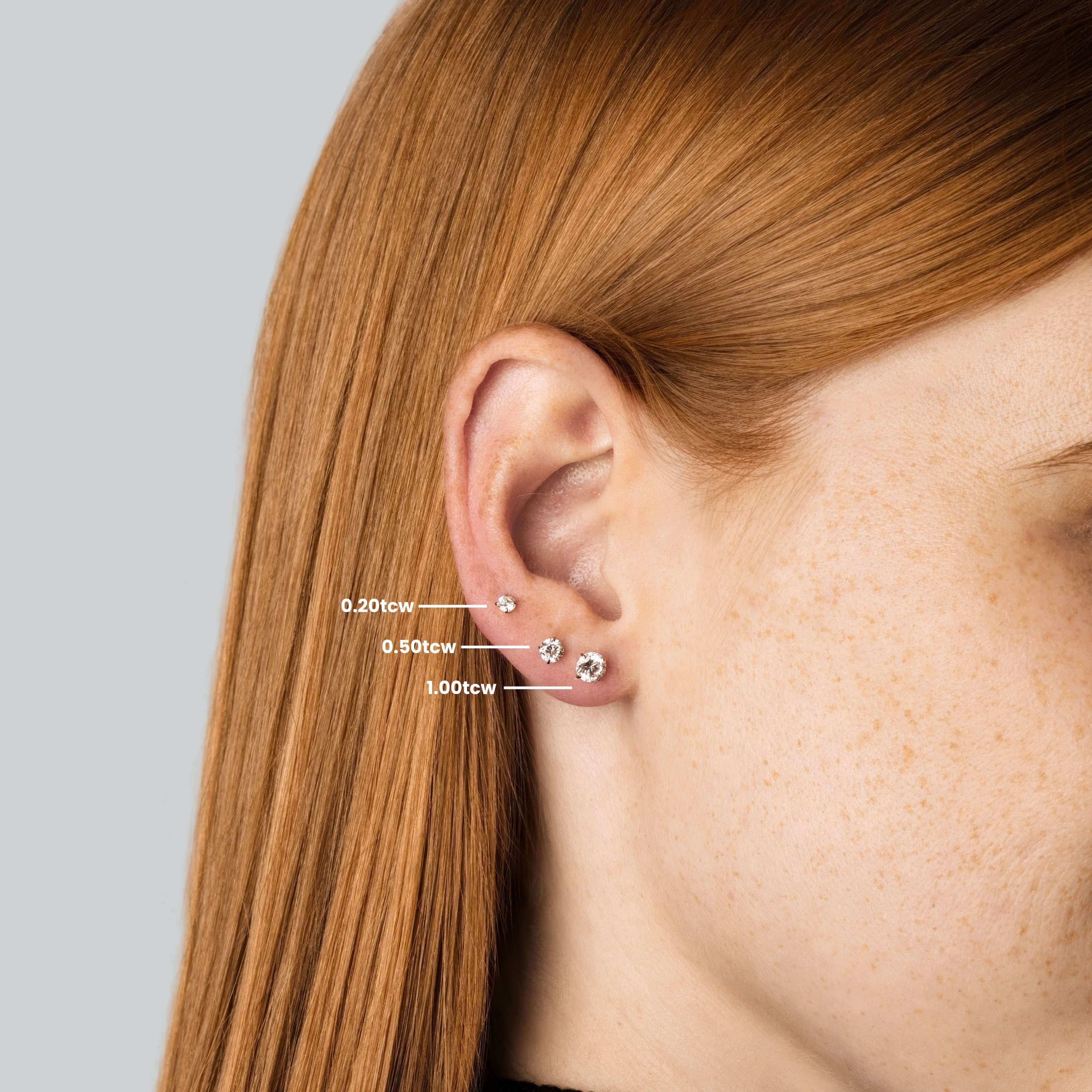
A light earring still has to sit right. Our studs use push pin flat backs, with a flat disc that rests against your ear instead of a butterfly back that presses in, and our hoops have no separate back at all. The post should match your piercing, too: lobe earrings are usually 20 gauge (0.8mm) and cartilage earrings 16 or 18 gauge, and our jewelry sizing guide shows how to find your size.
What Our Customers with Sensitive Ears Say
“I haven't been able to wear earrings for 6 years due to being allergic to gold and silver. It's so nice to now have an option of earrings to wear without all the pain!”
“I stopped wearing earrings for 10 years because everything irritated my ears, so I am so happy I found this brand! I have had these earrings in for weeks without taking them out and my ears feel fantastic!”
“These nap earrings are perfect for sensitive ears. I can sleep in these. Finally, I can wear earrings daily without getting irritation.”
“I haven't been able to wear earrings in years because I'm allergic to most metals. Finding a cute little earring that doesn't irritate my ears is so great!”
“The hoops at Miru are so well made and pretty. I leave them in always. They do not irritate or bother me while sleeping.”
Best Earrings for Sensitive Ears, by Style
Stud Earrings for Sensitive Ears
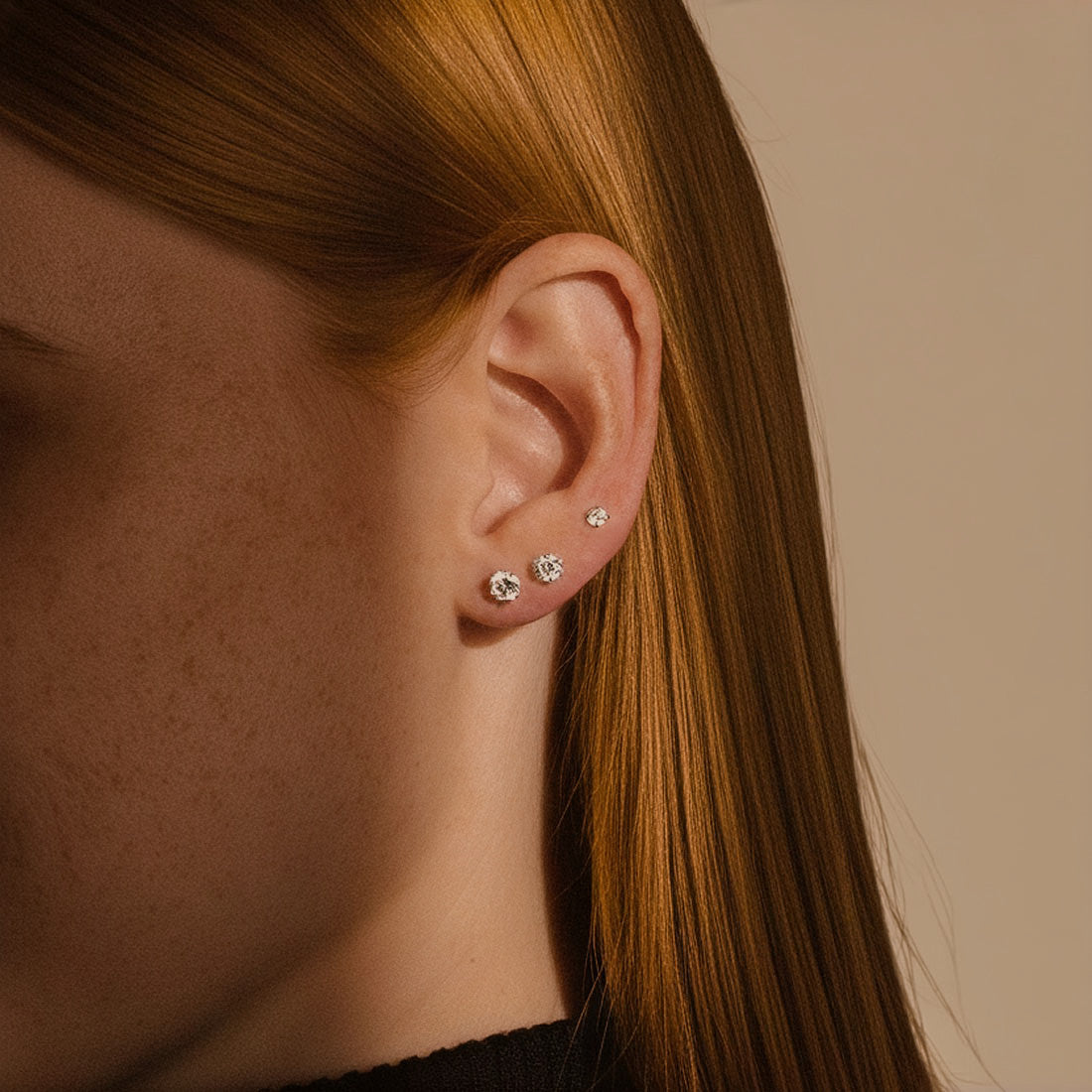
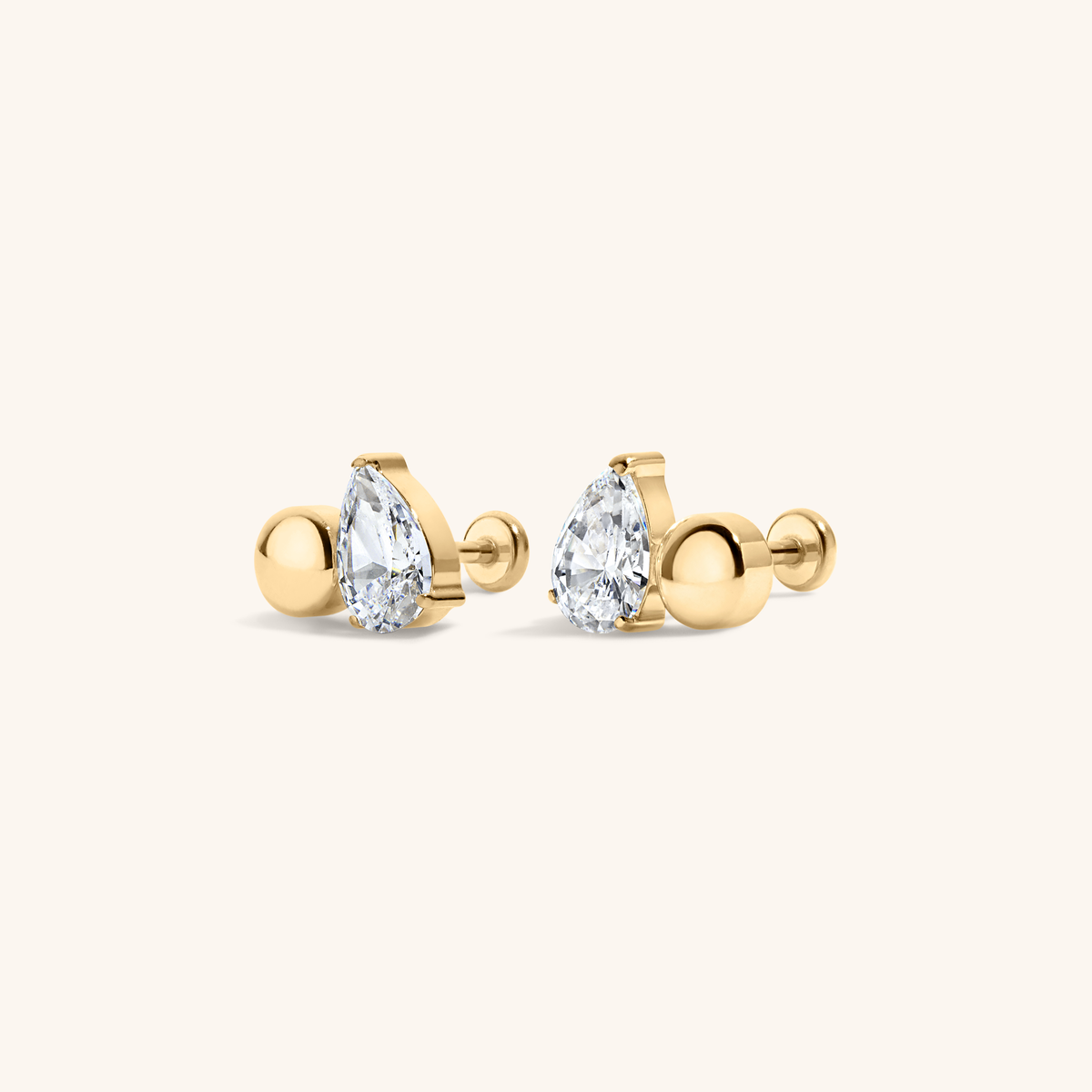
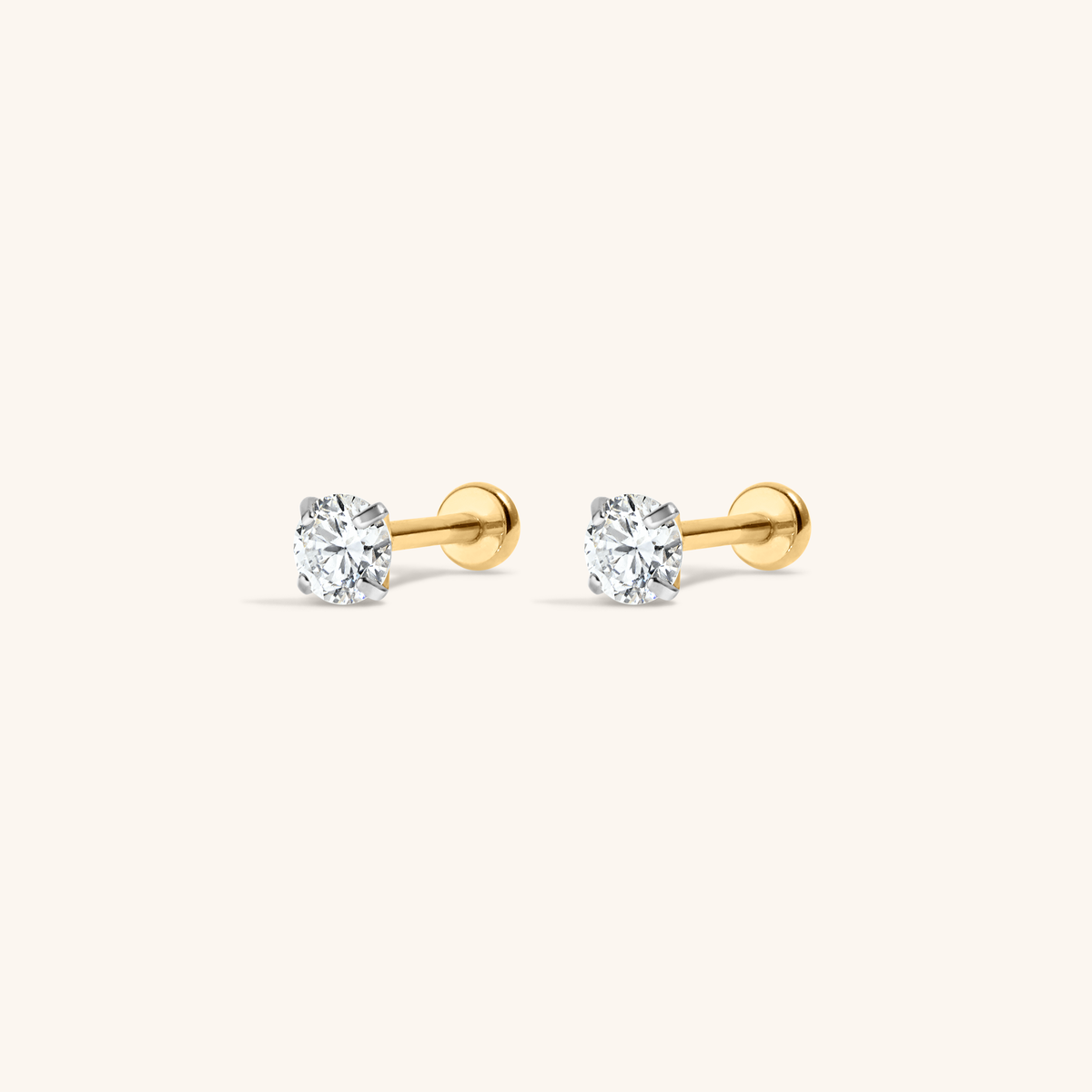
Small flat back studs are the easiest place to start. Our Nap Earrings® are pairs of 20 gauge push pin flat backs for lobes, made to wear around the clock.
Shop Nap Earrings®
Hoop Earrings for Sensitive Ears
Titanium hoops weigh a fraction of the same hoop in silver or gold, so they put less pull on your lobes, even in bigger styles. Ours are titanium through the hinge and post, and small huggies sit close enough to sleep in.
Shop Hoops and Huggies
Cartilage Earrings for Sensitive Ears
Once a cartilage piercing has healed, it can still be easy to irritate. A flat back in the right gauge, usually 16 or 18, sits flush and keeps pressure off the piercing.
Shop Cartilage Earrings
Earrings You Can Sleep In
If you want earrings that don't hurt when you sleep, look for three things: a flat back that lies against your ear instead of poking into your head, a small low-profile top, and a metal you can leave in for days without irritation.
That's what our Nap Earrings® were designed for: titanium push pin flat backs for lobes that you can sleep, shower, and work out in. For hoops, choose small huggies that sit close to the lobe.
Shop Nap Earrings®






Keep Reading
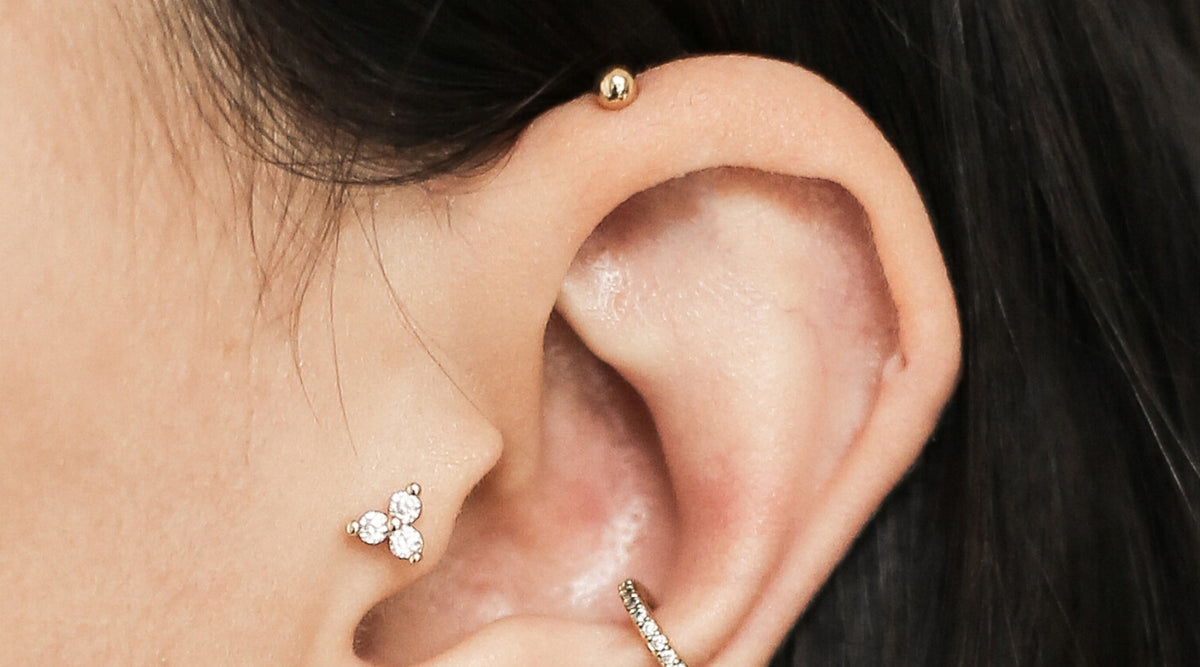
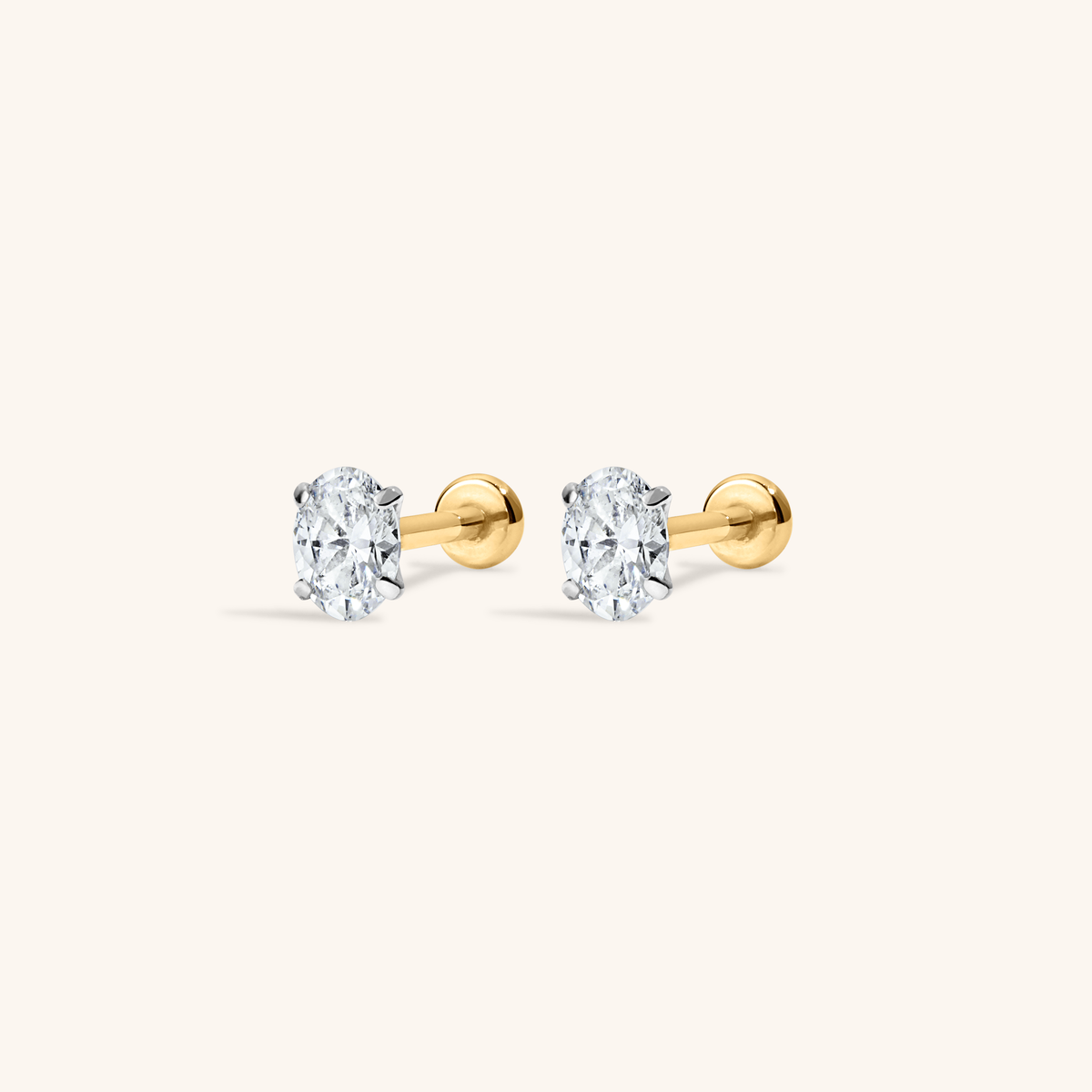
How to Wear Flat Back Earrings
How flat back earrings work, how to put them in, and what size to get for your lobes and cartilage.
Read more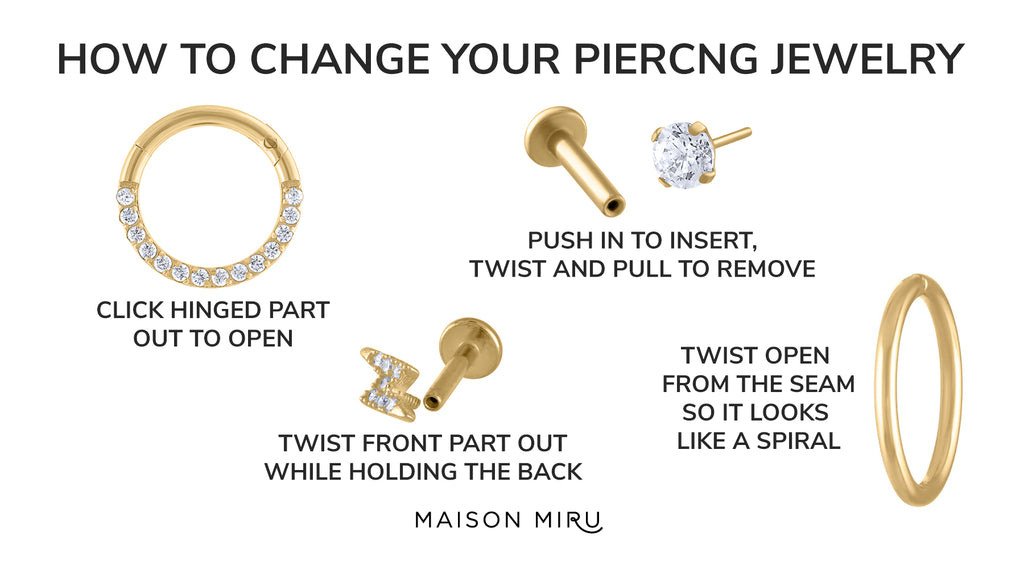
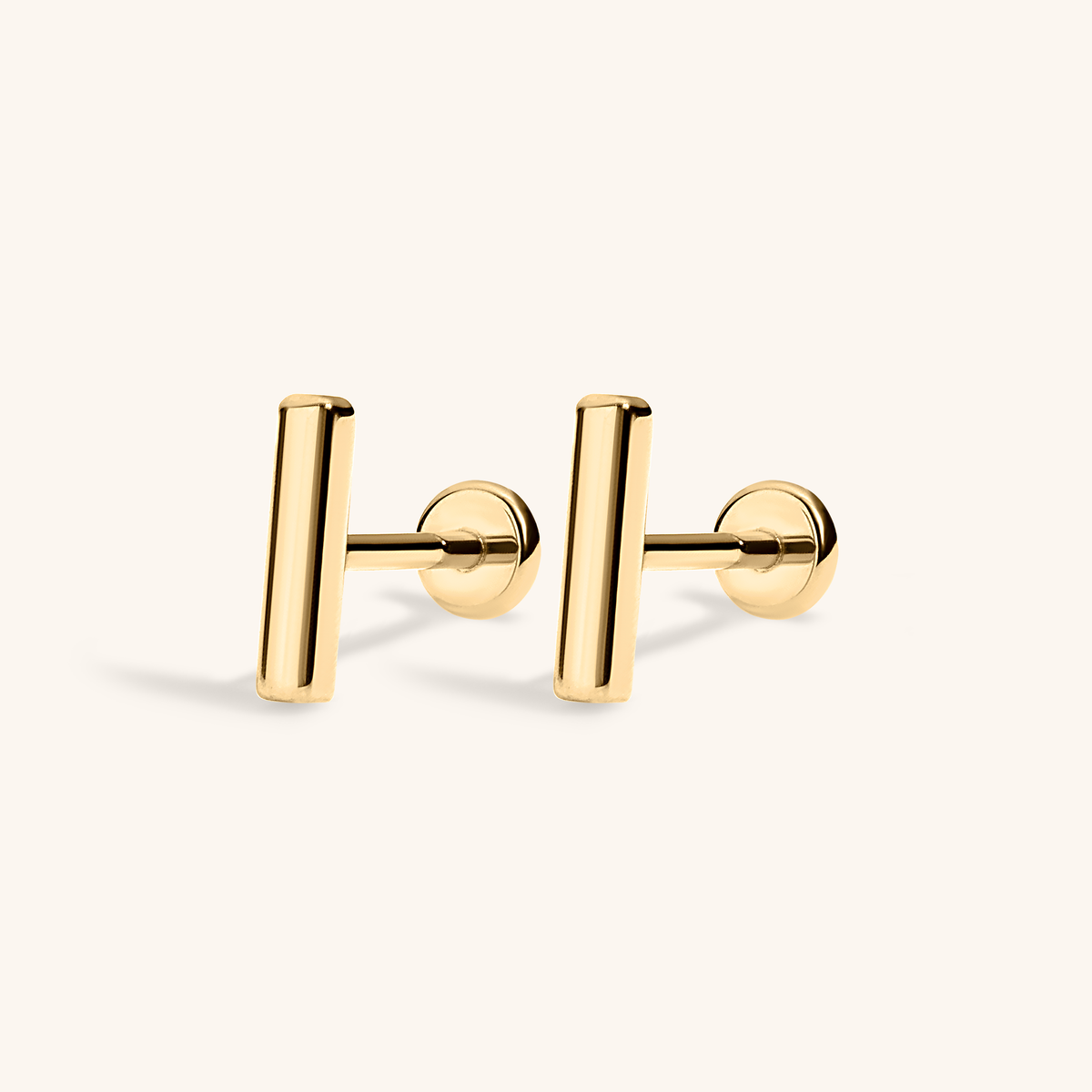
How to Change Your Piercing Jewelry
A handy little guide all about piercing jewelry and how to change out your flat back earrings and cartilage hoops.
Read more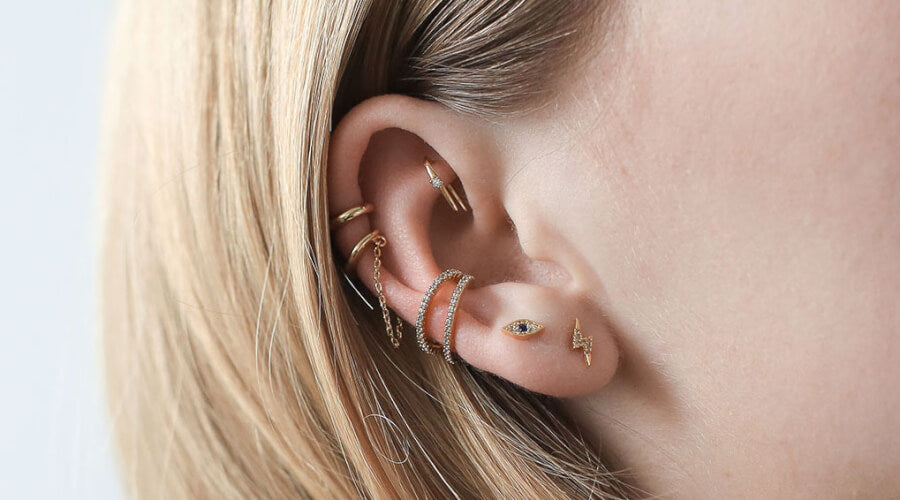
The Ultimate Guide to Ear Piercings: All of the Piercings, Explained
Here’s everything you need to know to get your ear party started.
Read more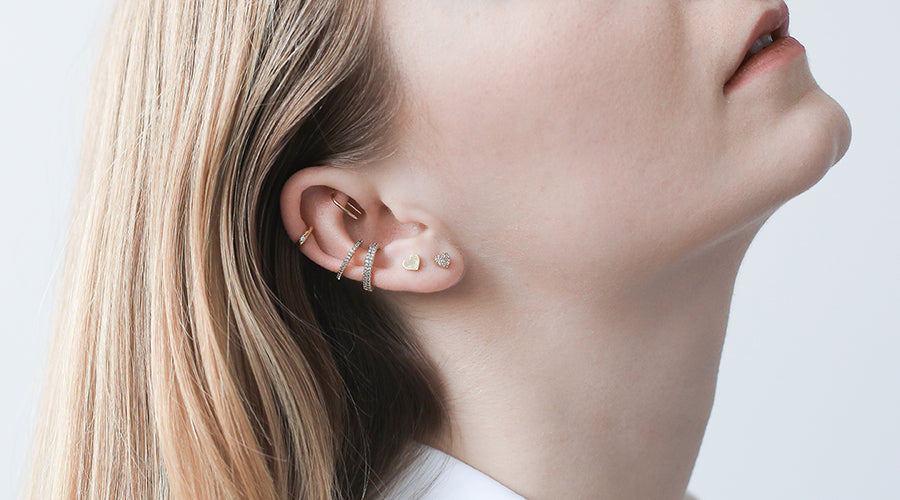
Getting Your Ears Pierced: Everything You Need to Know
Everything you need to know about your first ear piercing, whether lobe or cartilage: how it works, how much it hurts, and how to take care of it.
Read more