

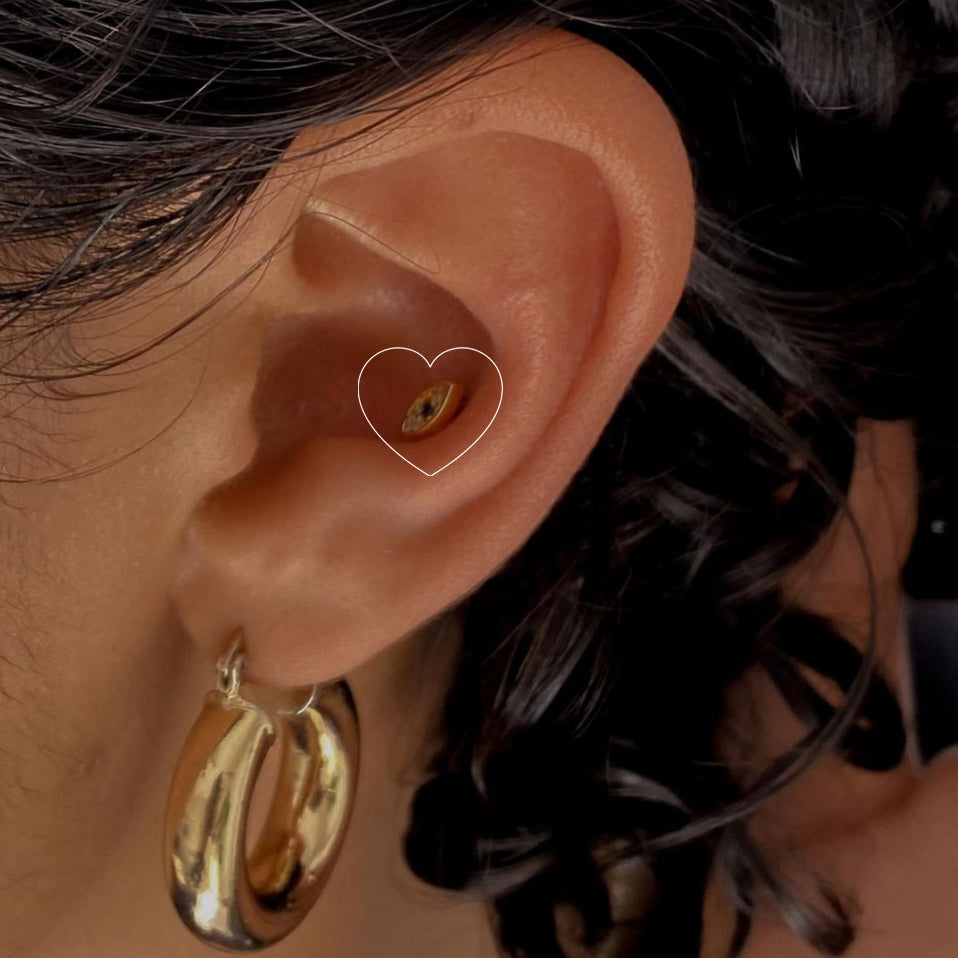
Everything You Need to Know About Conch Piercings
A conch piercing sits in the wide bowl of cartilage in the middle of your ear, the part that looks like the inside of a shell. It comes in two placements, inner and outer, and it is one of the most versatile cartilage piercings because it wears a stud and a hoop equally well.
This guide covers where the conch is, the difference between inner and outer, how much it hurts, how long it takes to heal, what gauge and size you need, and which earrings suit it.
Conch Piercing Fast Facts
- PLACEMENT: The bowl of cartilage in the centre of your ear. Inner conch sits lower, near the ear canal; outer conch sits higher, toward the rim.
- PAIN LEVEL: 6/10. Thick cartilage, so you feel deep pressure.
- HEALING TIME: 6 to 12 months.
- GAUGE: 16 gauge (1.2mm) is standard.
- JEWELRY SIZE: 8mm or 10mm post for a flat back; a 10mm to 12mm inner diameter for a hoop.
- JEWELRY: A flat back stud to heal in; studs or cartilage hoops once healed.
What Is a Conch Piercing?
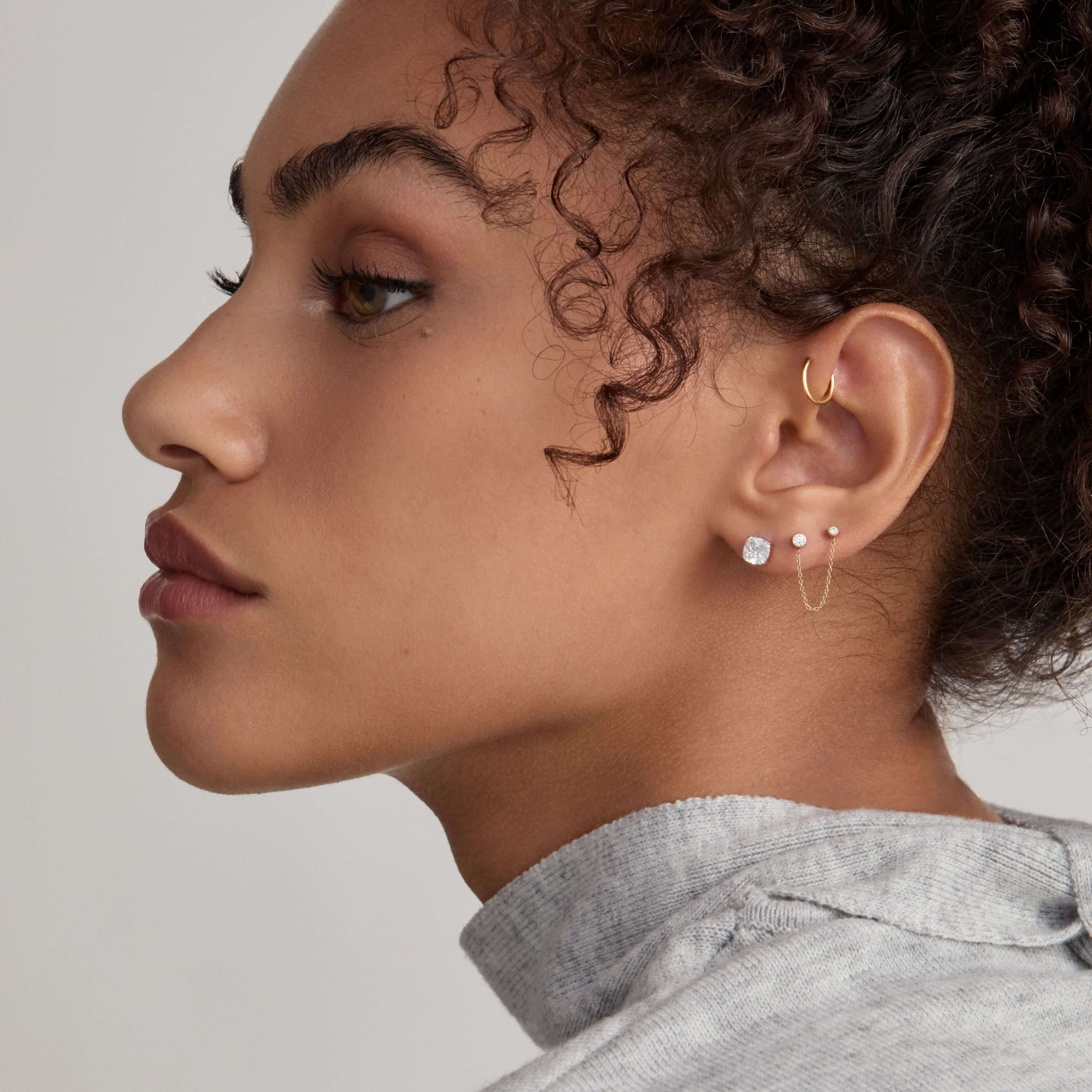
Look at the middle of your ear, inside the outer rim and below the folds at the top. That broad, slightly cupped plate of cartilage is the conch, named for its resemblance to a conch shell. A conch piercing goes straight through that plate, front to back, and the jewelry sits flat against it.
Because the conch is the largest single area of cartilage on the ear, there is more room here than at the tragus or rook. That is why a conch can take a bold stud, a tiny one, or a hoop that wraps the outer edge, and why it has become a centrepiece in a lot of ear stacks.
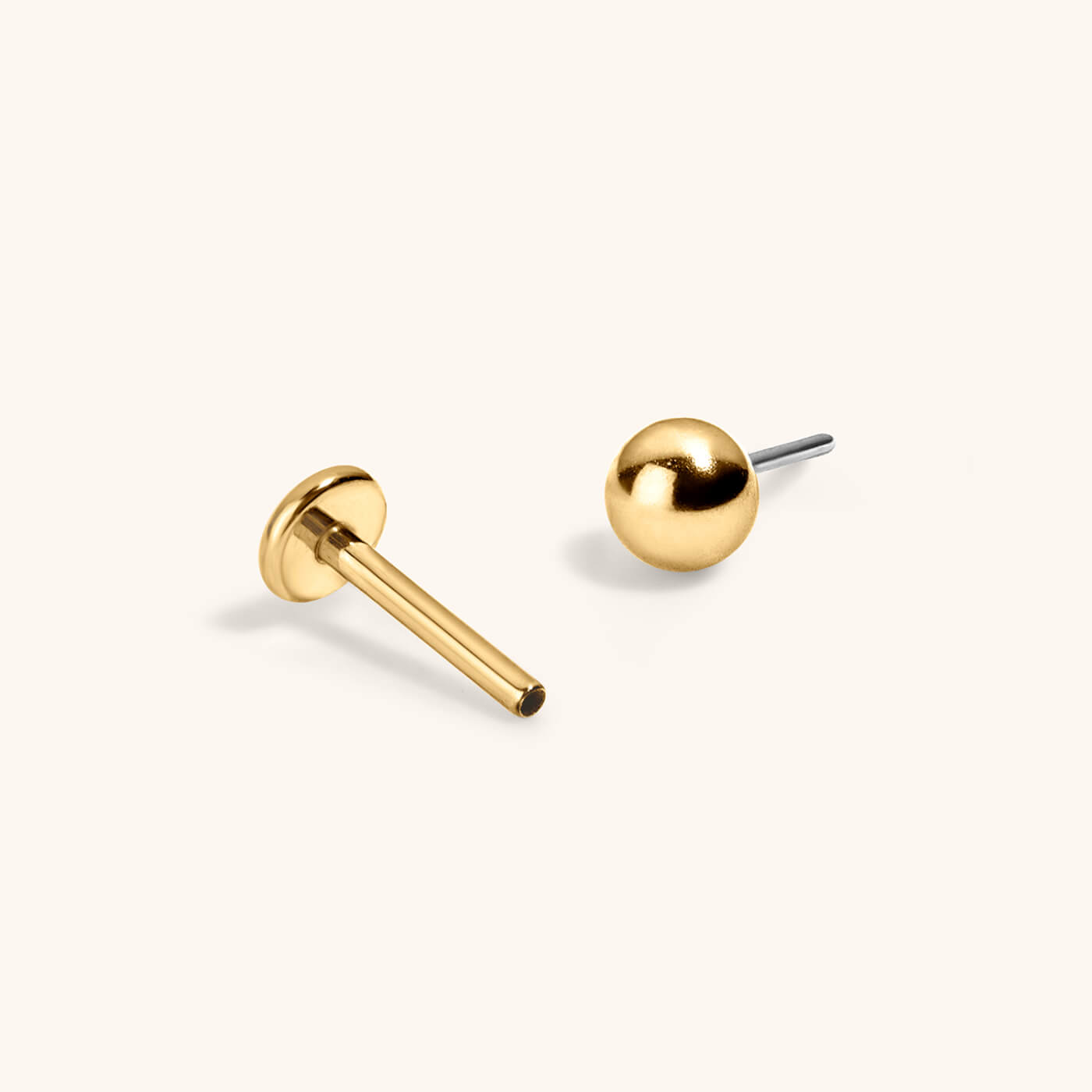
A flat back stud is the usual starter jewelry, and for many people it stays the everyday choice, which is where the phrase conch stud comes from. The stud sits in the open bowl with nothing around it to catch, so it is one of the more comfortable cartilage piercings to live with.
Inner vs Outer Conch: Which One?
Both piercings go through the same plate of cartilage. The difference is height.
- Inner conch sits in the lower half of the bowl, closer to your ear canal. It is the classic placement for a stud: the jewelry sits inside the ear and reads as a single point of light when someone looks at you from the side. Sometimes called a lower conch.
- Outer conch sits in the upper half of the bowl, closer to the rim and below the helix. Sometimes called an upper conch. Because it is nearer the edge, it is the more common placement for a hoop that wraps the outside of the ear.
Either placement wears a stud well, and hoops are possible in both; how a hoop sits depends on where the piercing lands, its angle, and the shape of your ear rather than on the label. If you have a specific look in mind, especially a hoop, show your piercer a photo and let them choose the placement and diameter for your anatomy.
Does a Conch Piercing Hurt?
A conch piercing rates about a 6 out of 10 for pain, in the middle of the cartilage piercings. Pain is personal and depends on your anatomy and your piercer, but the conch is thick, dense cartilage, so what most people feel is a firm, deep pressure for a second or two rather than a sharp sting.
Expect the area to feel warm and tender for a few days, and to ache if you press on it or sleep on that side for the first few weeks.
One note if you have read about a dermal punch: some studios offer it for the conch to create a larger hole for heavier jewelry. It removes a small disc of cartilage rather than piercing it, hurts considerably more, heals differently, and leaves a permanent visible hole. Everything on this page assumes a standard needle piercing.
How Long Does a Conch Piercing Take to Heal?
Plan on 6 to 12 months. The conch is thick, and cartilage heals slowly because it has less blood flow than an earlobe. It will often look settled after a couple of months while still being fragile underneath, and the weight of the jewelry matters here more than on smaller piercings.
What helps:
- Leave the jewelry alone until your piercer confirms it has healed, apart from the downsizing your piercer does once swelling subsides. Swapping it yourself early is an easy way to set healing back.
- Clean with sterile saline once or twice a day and let it air dry. Do not twist or rotate the jewelry.
- Sleep on the other side, and keep over-ear headphones off that ear while it heals. Pressure on a healing conch can cause irritation bumps.
- Start light. Save heavy or large hoops for a fully healed conch; weight pulls on the channel while it forms.
Once your piercer gives the all-clear, you can change the jewelry yourself. A push pin flat back is the easiest style to swap; our guide to changing piercing jewelry walks through it. Redness, tenderness, and a little clear crust are normal along the way. Increasing pain, heat, swelling, or yellow or green discharge are not; cartilage infections can become serious, so see a healthcare professional rather than waiting it out.
Conch Piercing Gauge and Jewelry Size
Conch piercings are done with a 16 gauge needle, which is 1.2mm thick. Match your jewelry to that gauge. Standard lobe earrings are 20 gauge, about 0.8mm, and are too thin for a conch; wearing them lets the channel shrink and makes going back to proper jewelry uncomfortable.
Because the conch is thicker than an earlobe, the post length matters more here than anywhere else. A flat back for the conch usually needs an 8mm post, and some ears need 10mm, especially while swelling is still coming down. A post that is too short pinches and slows healing. A post that is too long is not meant to stay either: once the initial swelling has gone down, usually a few weeks in, your piercer will typically downsize you to a shorter post so the jewelry stops moving and catching. That downsizing is done by the piercer during healing; changing jewelry yourself waits until it has healed.
For a hoop, the measurement is the inner diameter. Because the ring has to reach from the conch around the outer edge of the ear, conch hoops run large: 10mm to 12mm is typical, and the exact size depends on where your piercing sits relative to the rim.
Not sure what you were pierced with? Ask your piercer, or read our jewelry sizing guide for how to measure what you already own.
The Best Conch Earrings: Studs vs Hoops
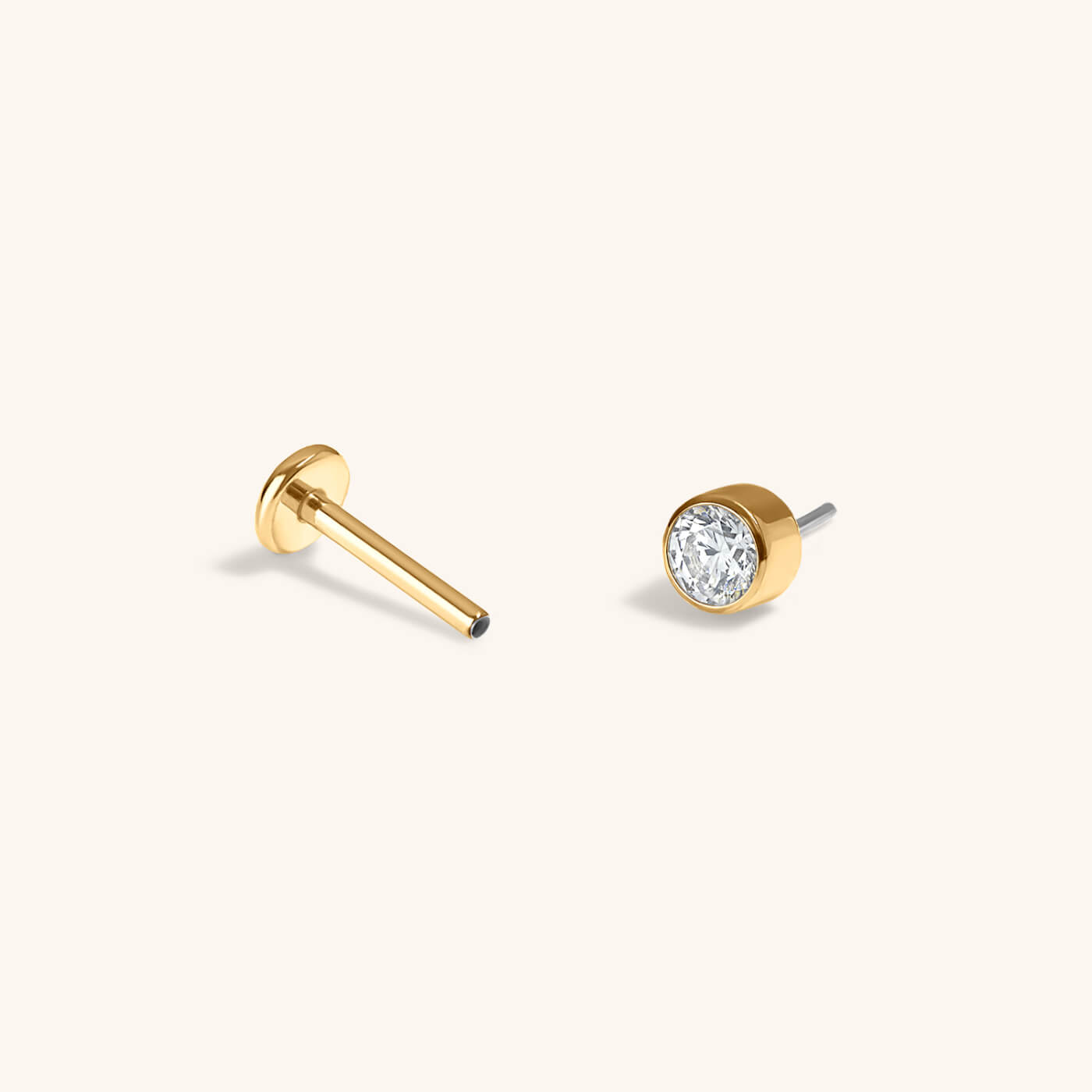
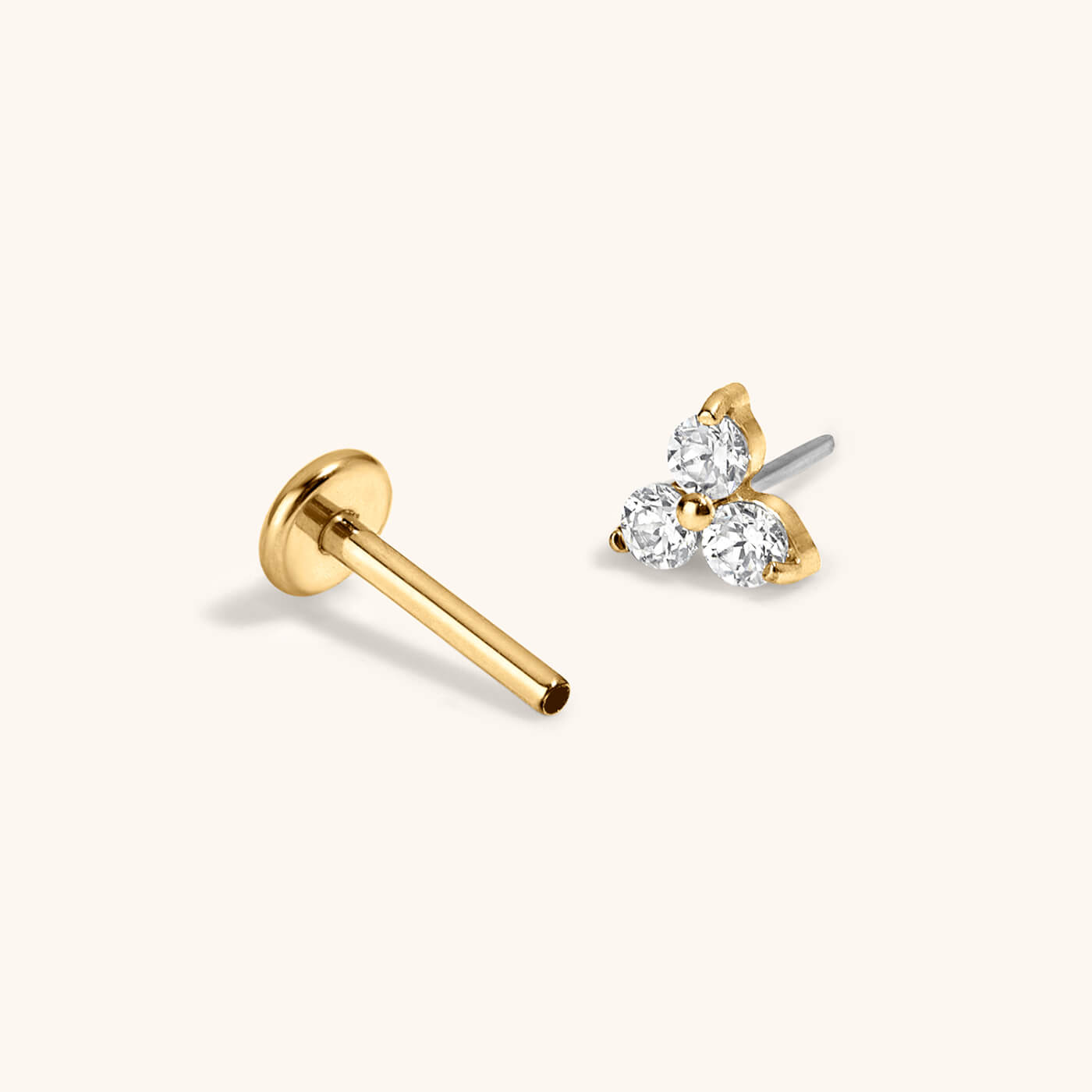
Flat back studs are the conch's natural jewelry. The post goes through the plate and a flat disc sits behind it, so nothing pokes toward your head and the front can be anything from a 2mm sphere to a pavé moon. A push pin flat back slides in without threading, which makes it easy to change one-handed once healed; our guide to how to wear flat back earrings explains how they work and how to put them in. Most of our conch collection is exactly this.
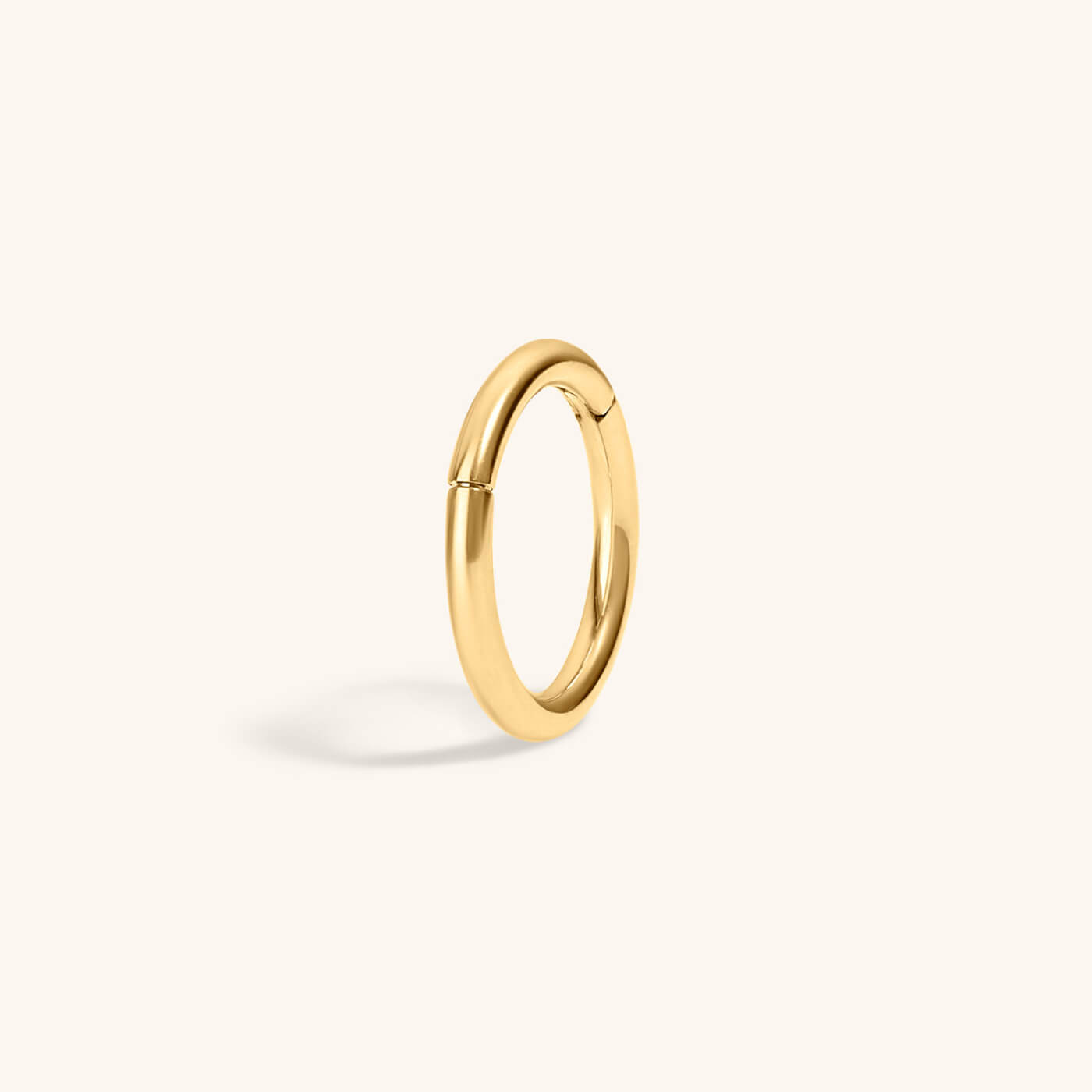
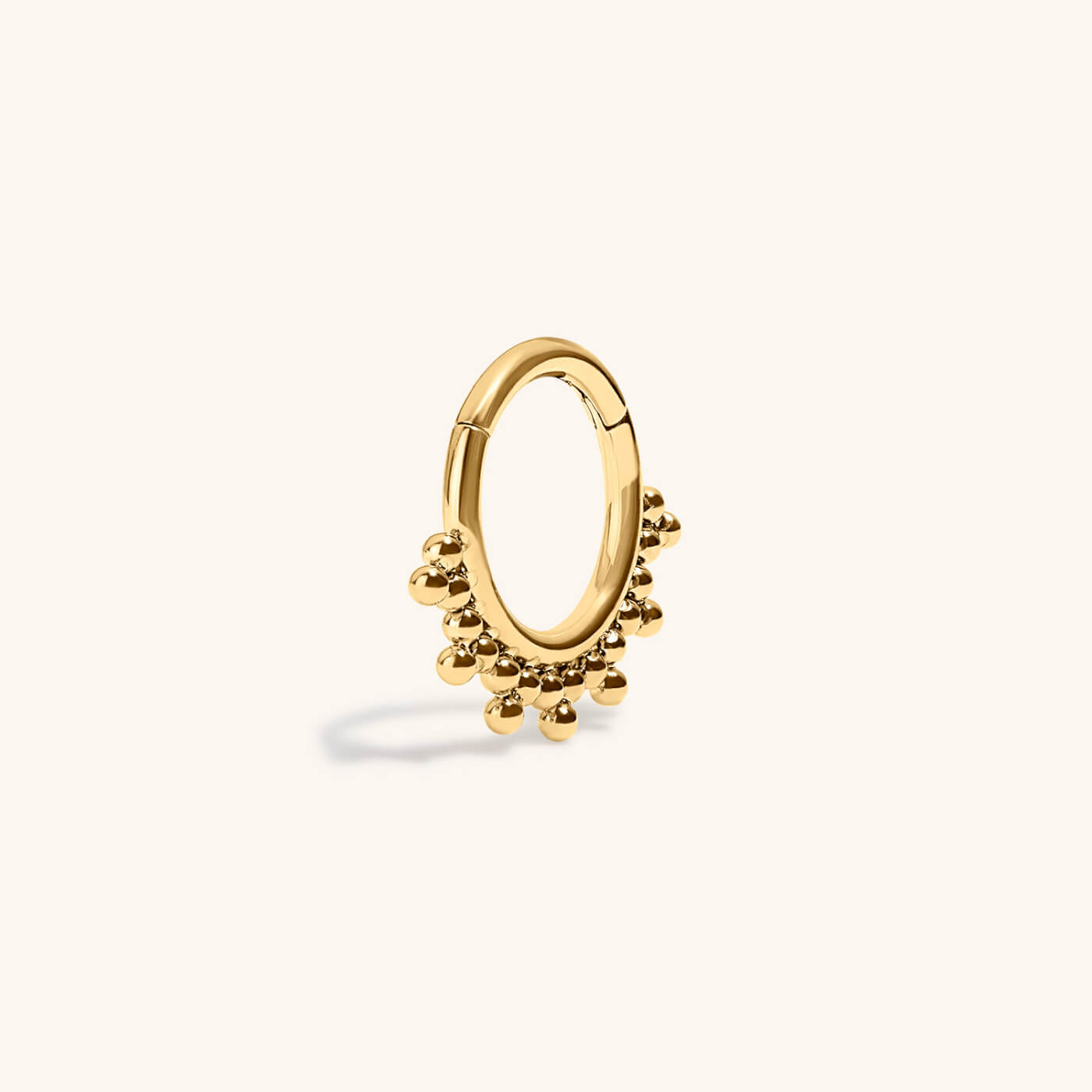
Conch hoops are the statement version. A wide ring passes through the conch and wraps the edge of the ear, so it reads as a hoop on the rim rather than a stud in the bowl. Whether that works, and at what diameter, depends on your placement and anatomy, so plan it with your piercer. It is a look worth waiting for: hoops move, so they belong on a fully healed conch. Our cartilage hoops come in the larger diameters a conch needs.
Whichever you choose, the metal matters most while you heal. Everything in the collection is made from medical-grade (ASTM F-136) titanium or solid 14k gold, both hypoallergenic and nickel-free, so you can wear it around the clock, through showers and sleep.
Shop conch piercing jewelry
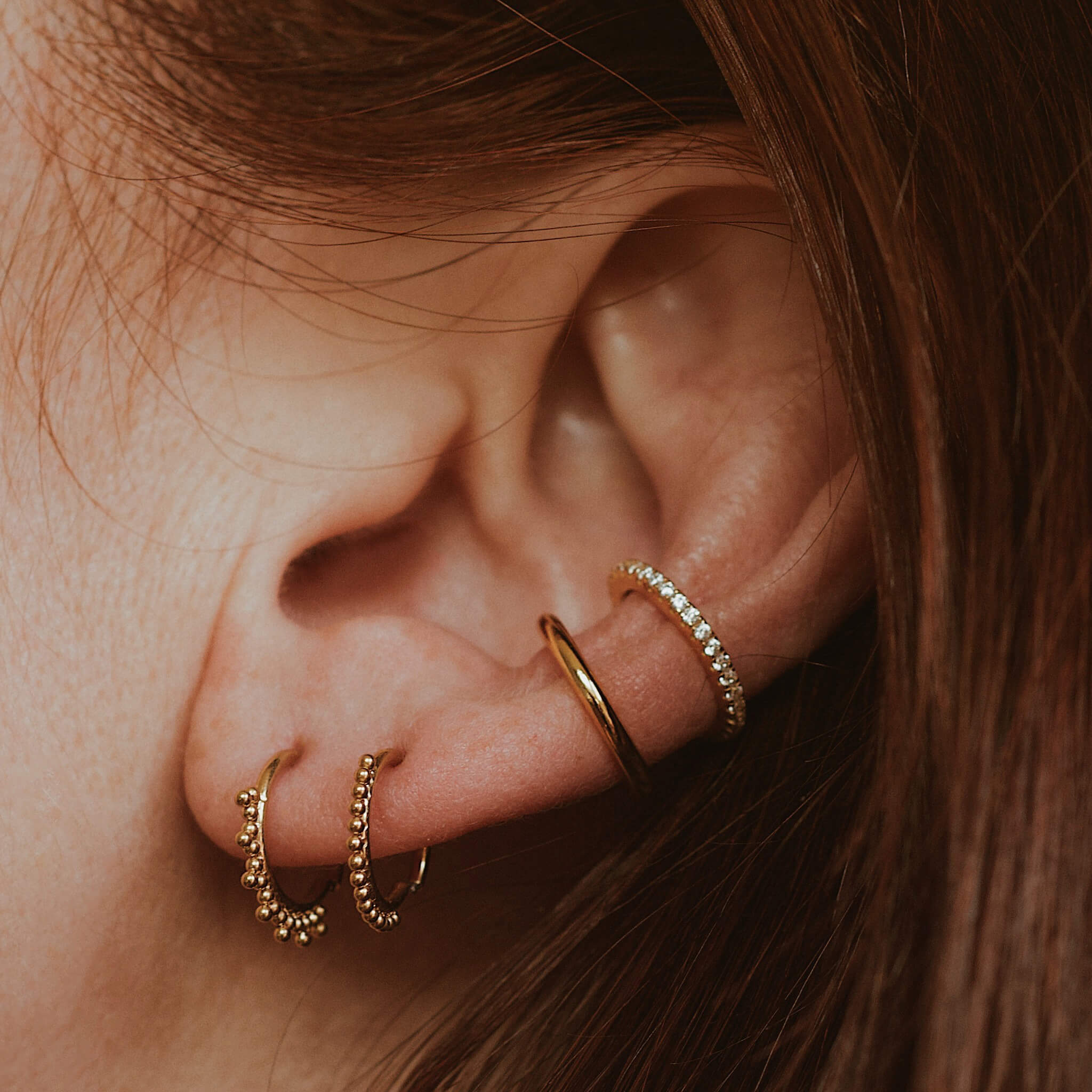
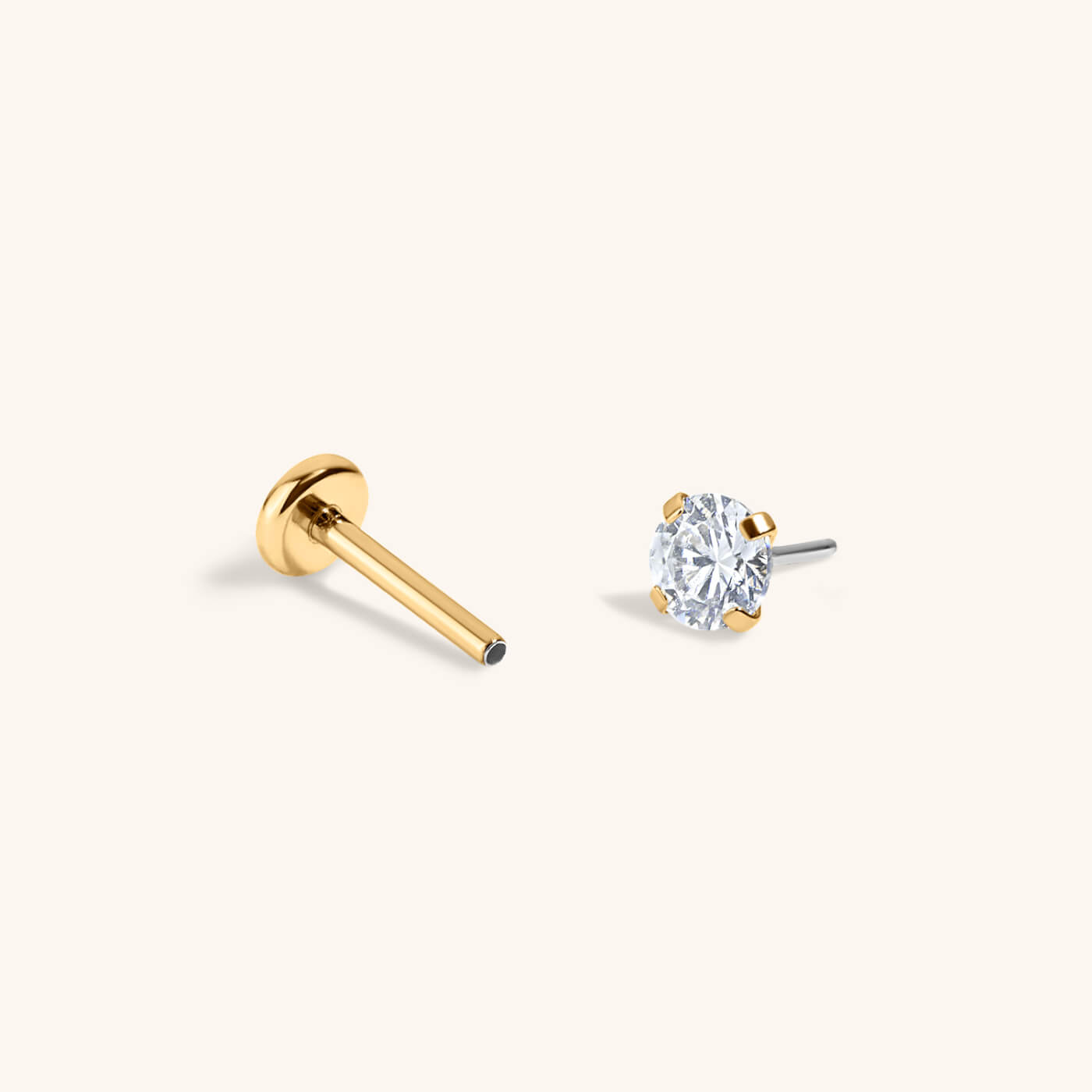

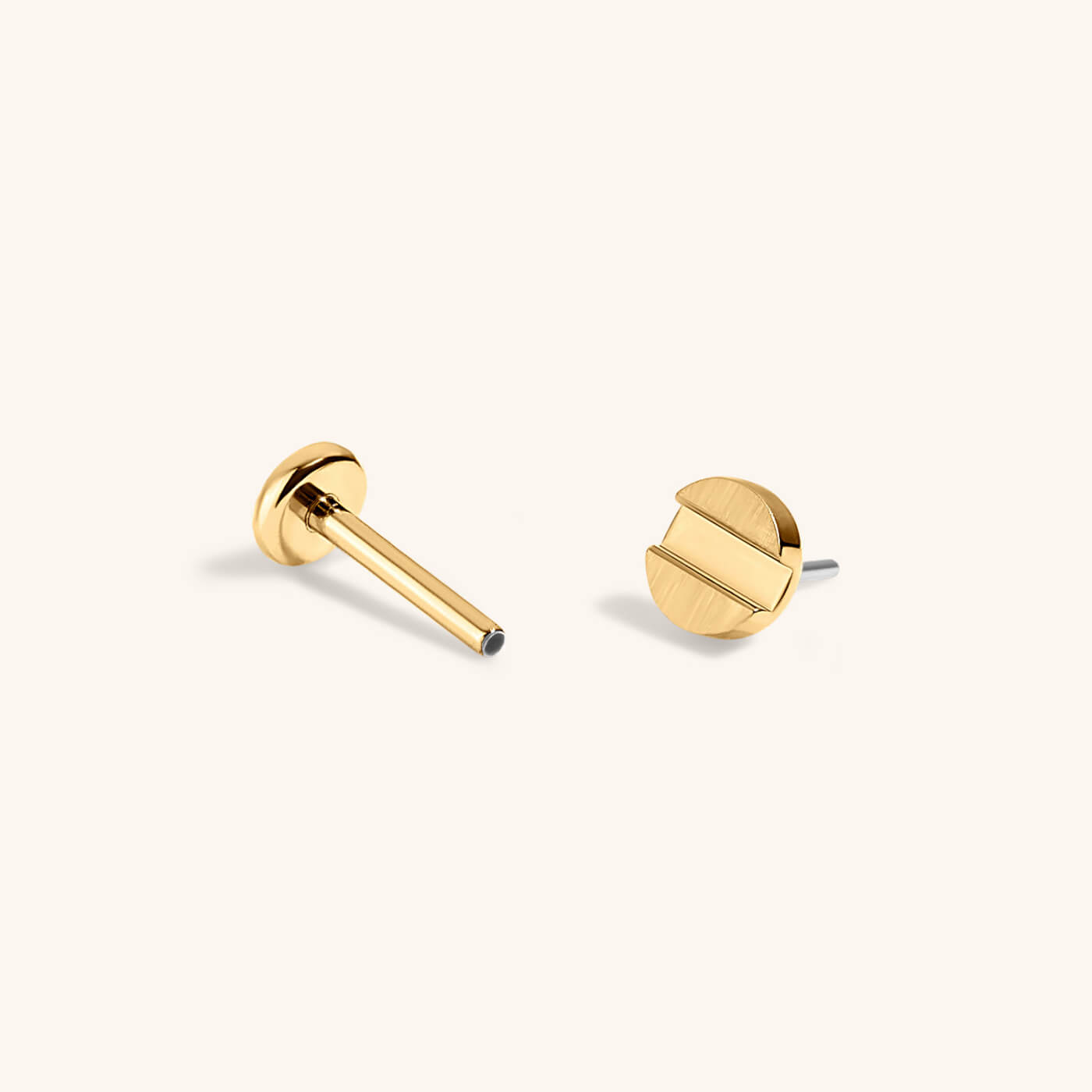

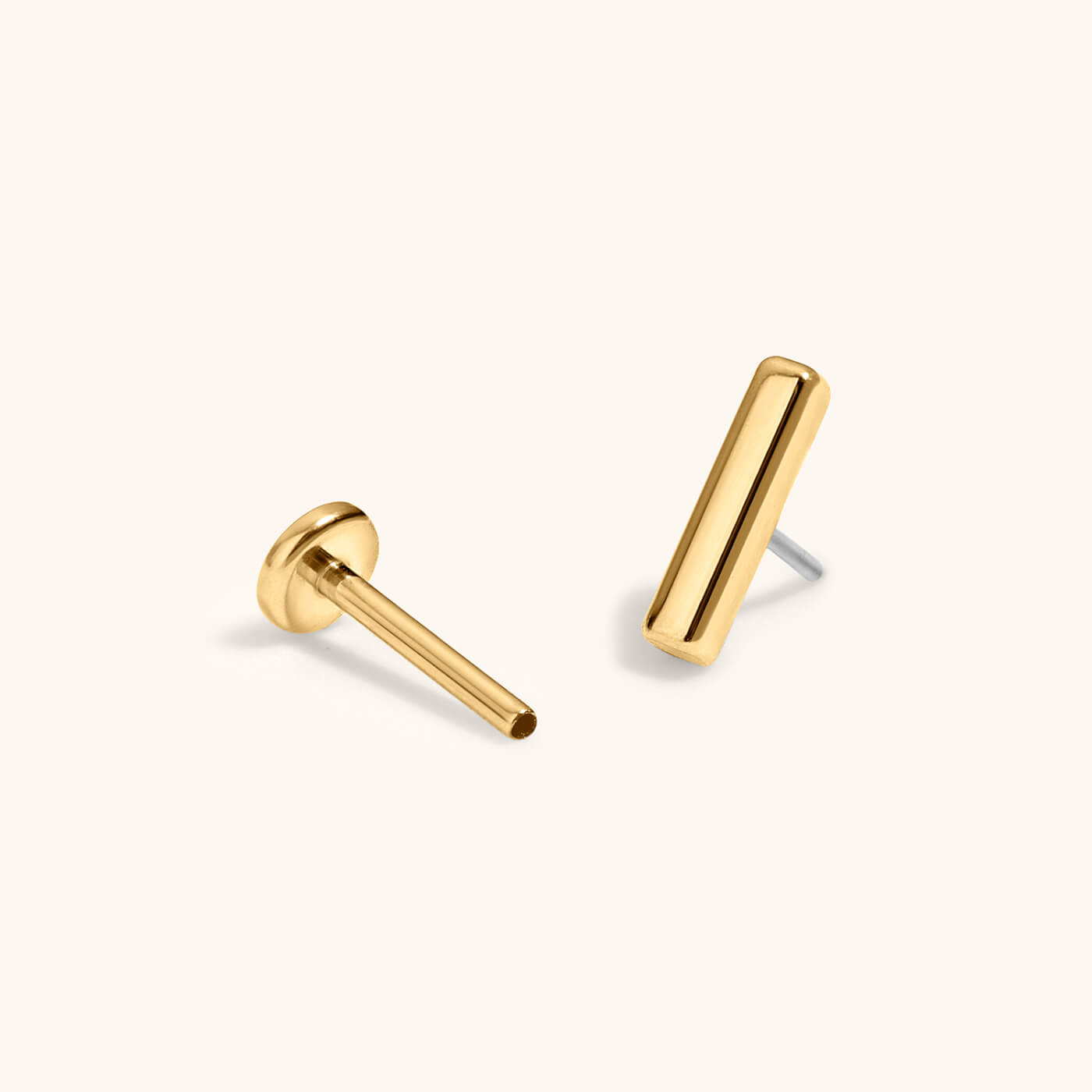
Conch Piercing Inspiration
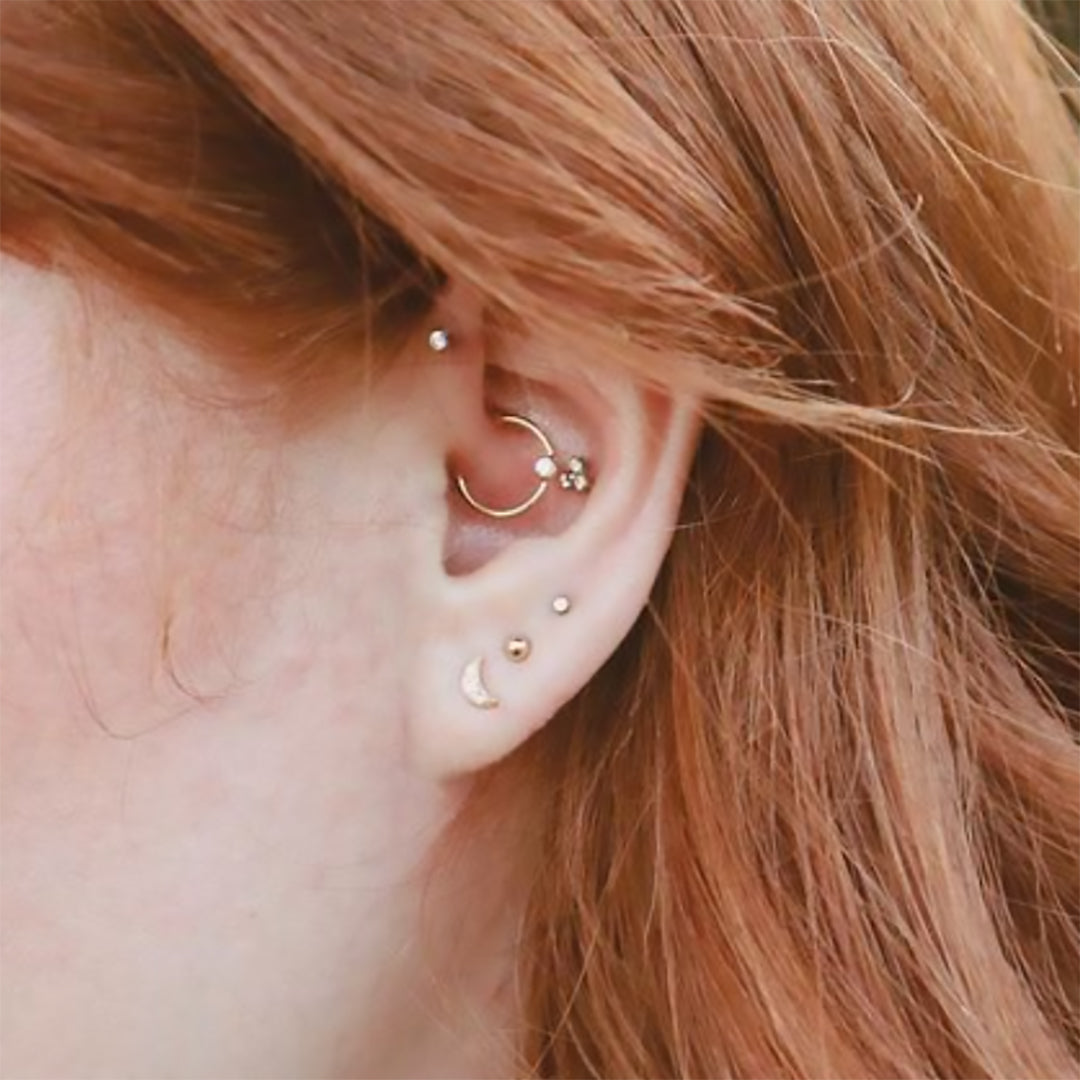
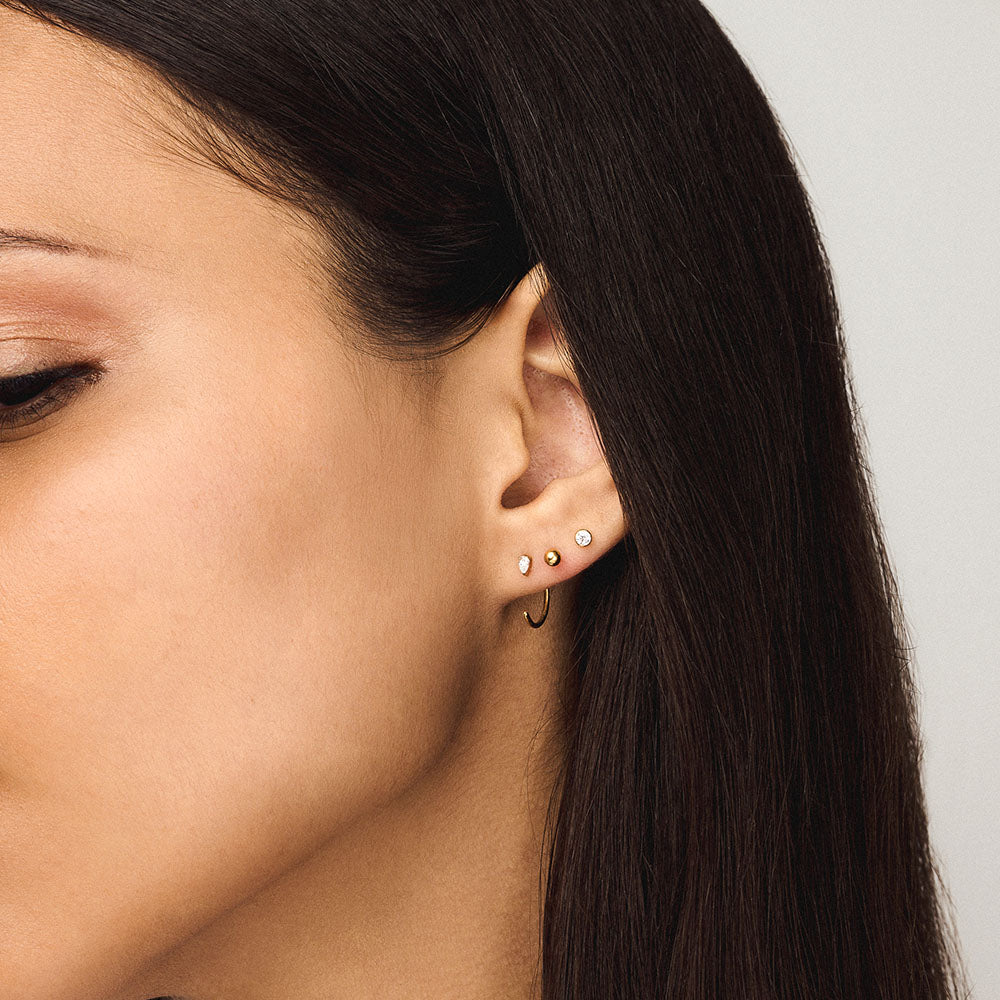
@ohhjuliana in our Crystal Trinity Threaded Flat Back in 14k Gold, Pave Moon Nap Earrings, Little Secret Studs, and Tiny Secret Studs
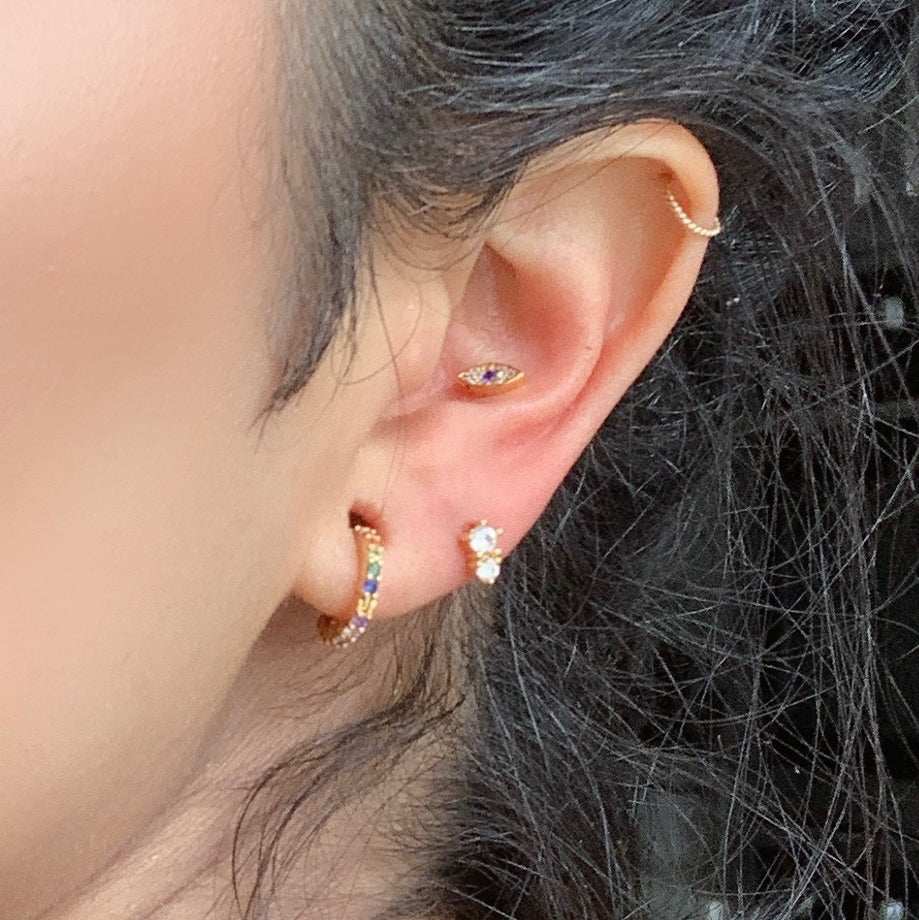
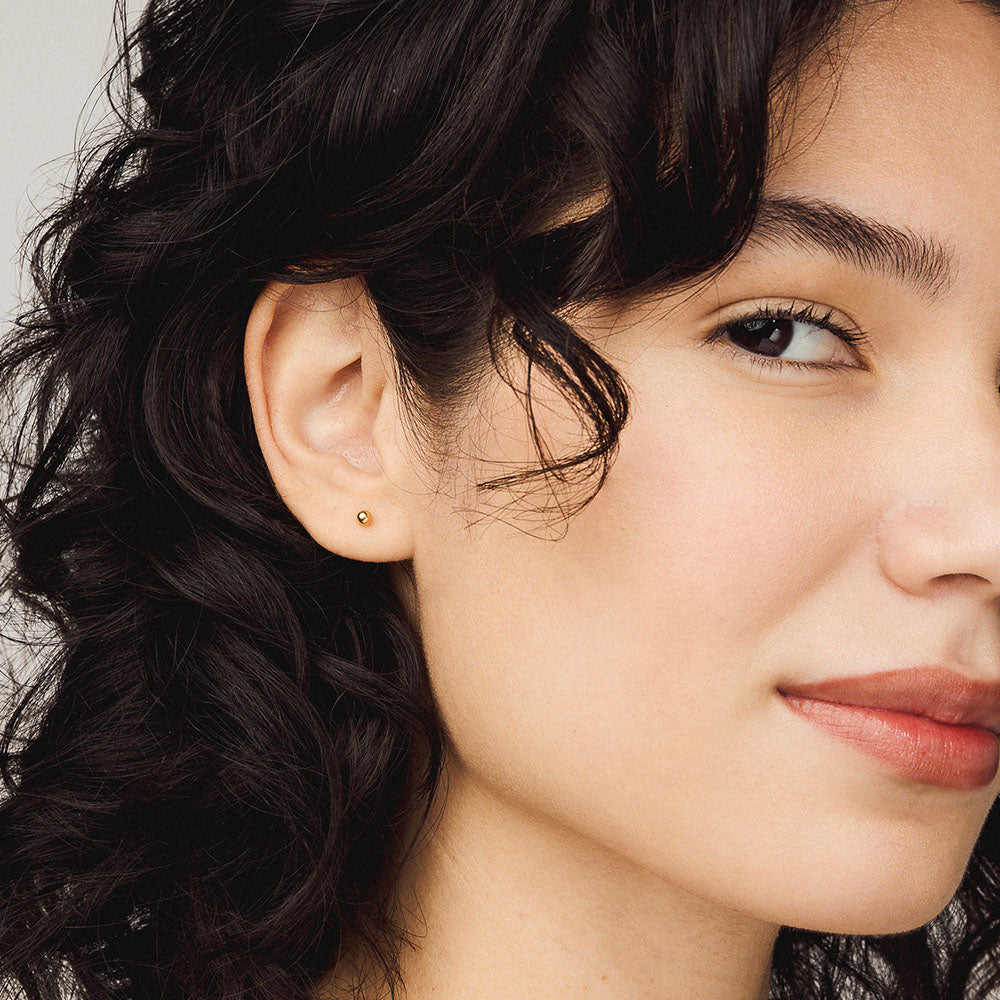
@laura_2777 in our Rainbow Mini Eternity Hoops, Gaia Nap Earrings, and Evil Eye Push Pin Flat Back Earring
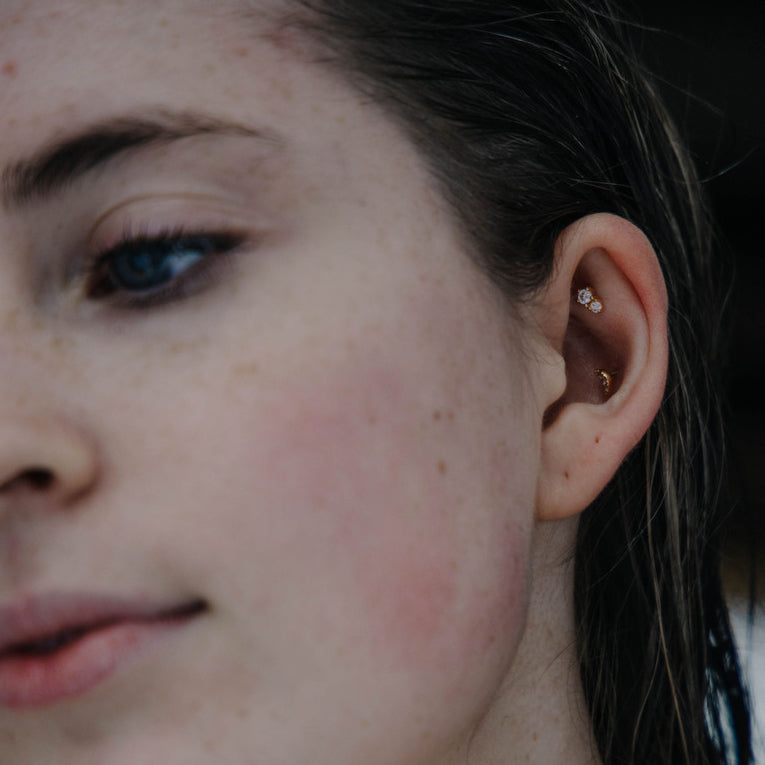
Keep Reading
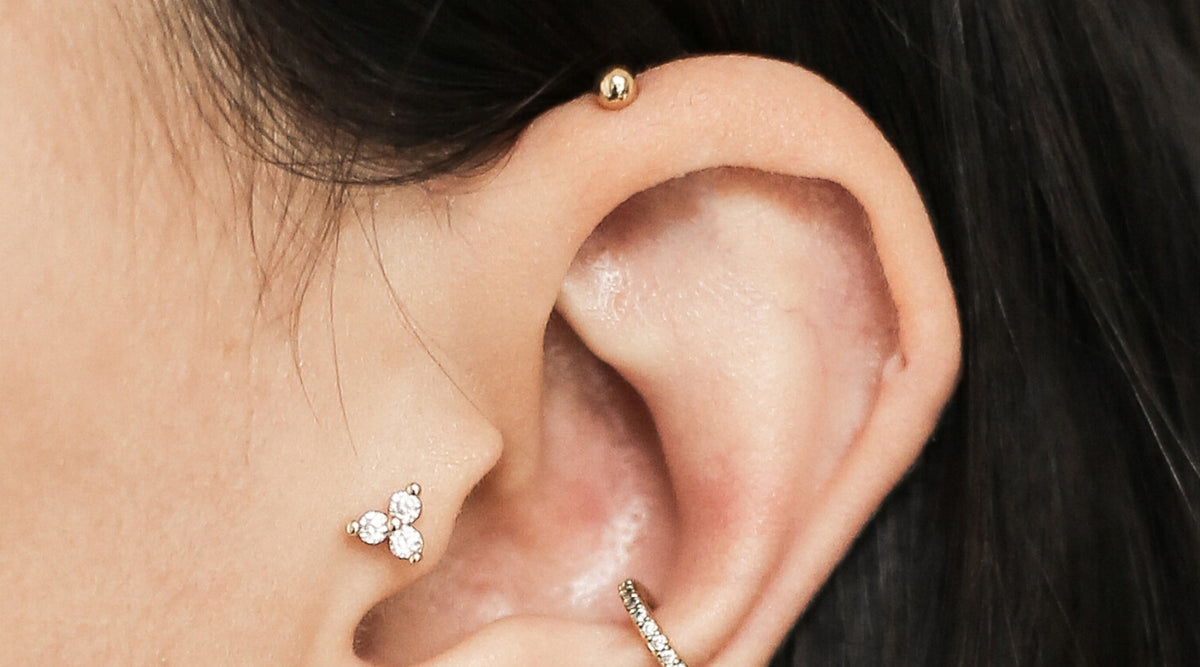
How to Wear Flat Back Earrings
How flat back earrings work, how to put them in, and what size to get for your lobes and cartilage.
Read more
Helix Piercing Guide: Everything You Need to Know
Everything you need to know about helix piercings: pain level, healing time, cost and recommended jewelry.
Read more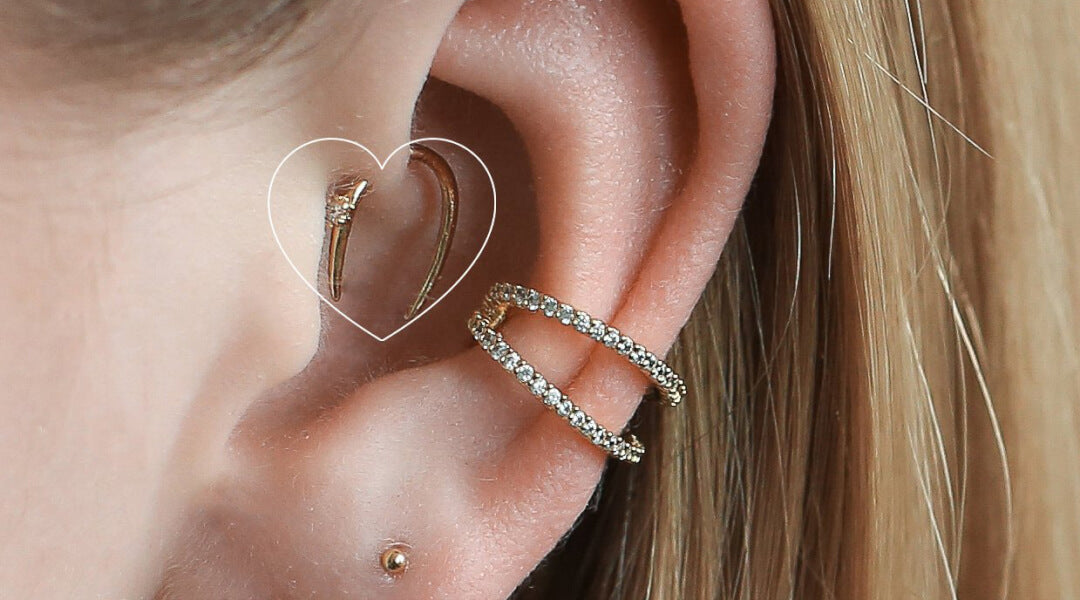
Daith Piercing Guide: Everything You Need to Know
Everything you need to know about daith piercings: pain level, healing time, cost and recommended jewelry.
Read more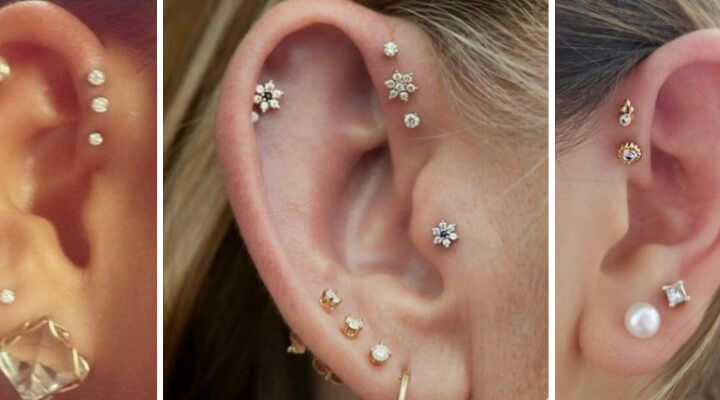
Forward Helix Piercing Guide: Everything You Need to Know
Everything you need to know about forward helix piercings: pain level, healing time, cost and recommended jewelry.
Read more